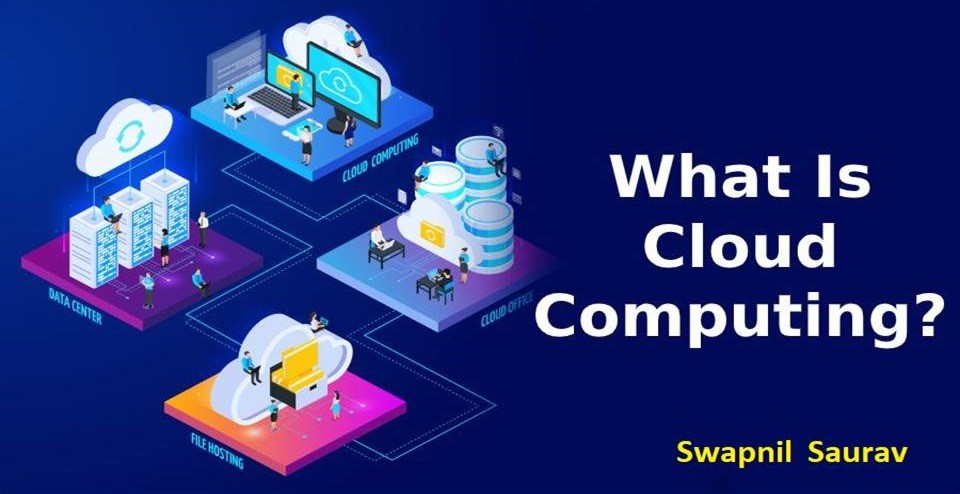
Cloud computing has become the foundation of modern digital services, helping businesses and individuals store data, run applications, and access computing resources over the internet. When choosing a cloud solution, one of the most important decisions is whether to use a public cloud or a private cloud.
Both options offer unique advantages, but they differ in terms of ownership, security, cost, scalability, and management. Understanding these differences will help you choose the cloud model that best fits your needs.
What Is a Public Cloud?
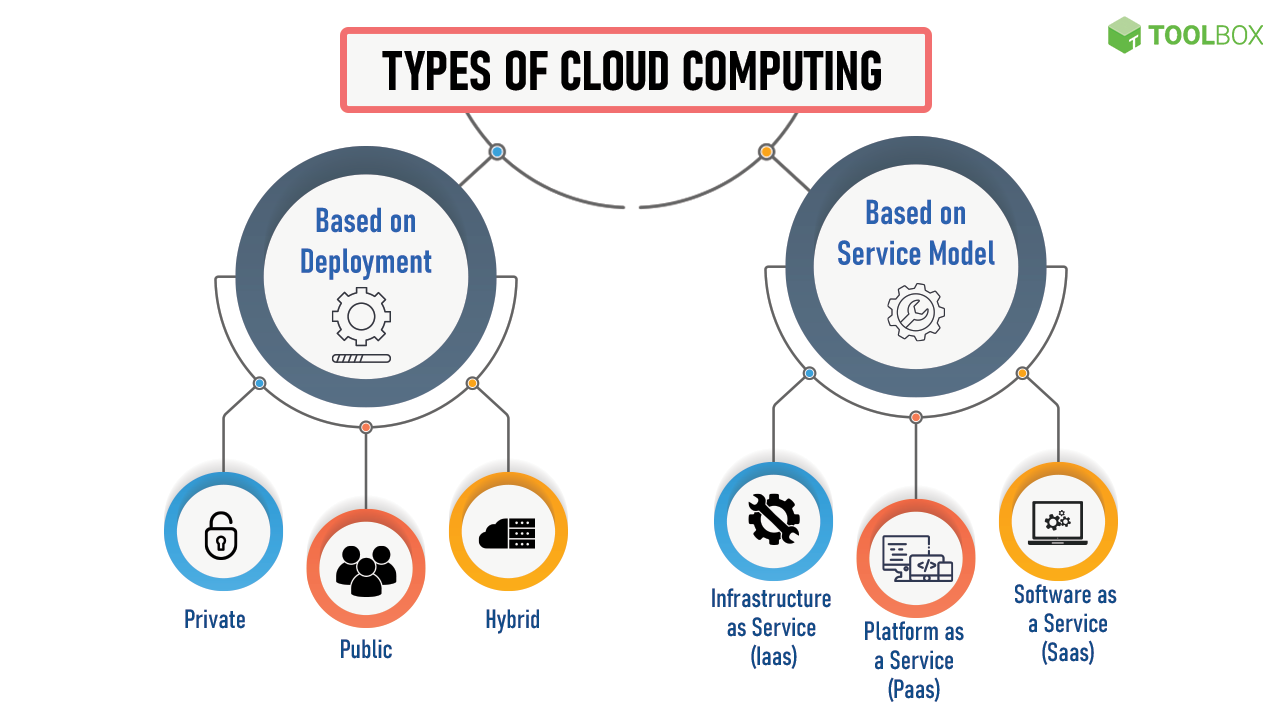
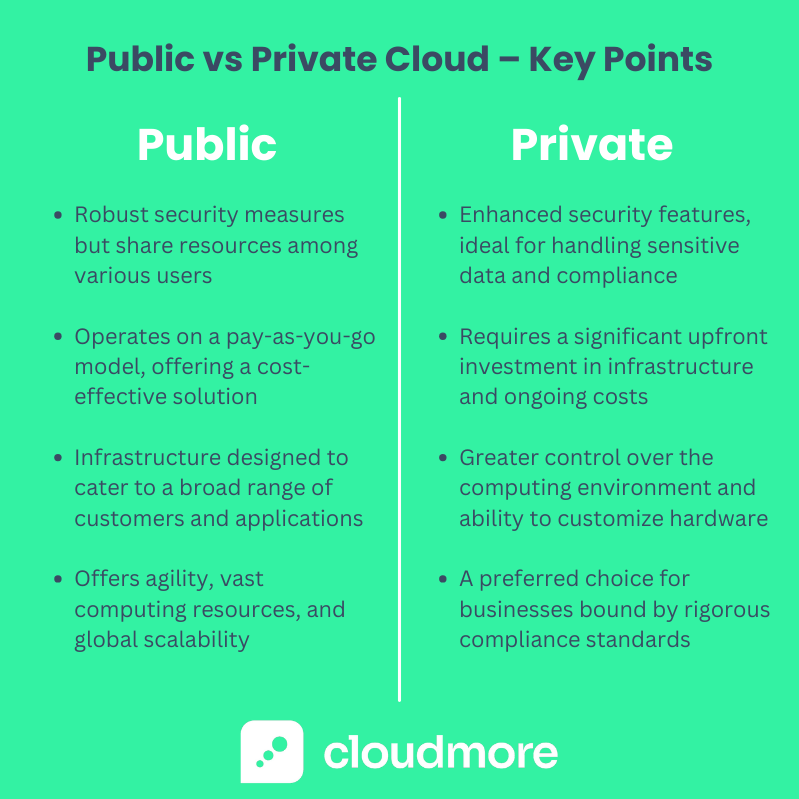
A public cloud is a cloud computing environment owned and managed by a third-party cloud service provider. The provider delivers computing resources such as storage, servers, networking, and applications over the internet to multiple customers.
In a public cloud, users share the provider’s infrastructure while their data remains logically separated and protected. Since the provider handles maintenance, updates, and security, businesses can focus on their operations instead of managing hardware.
Advantages of Public Cloud
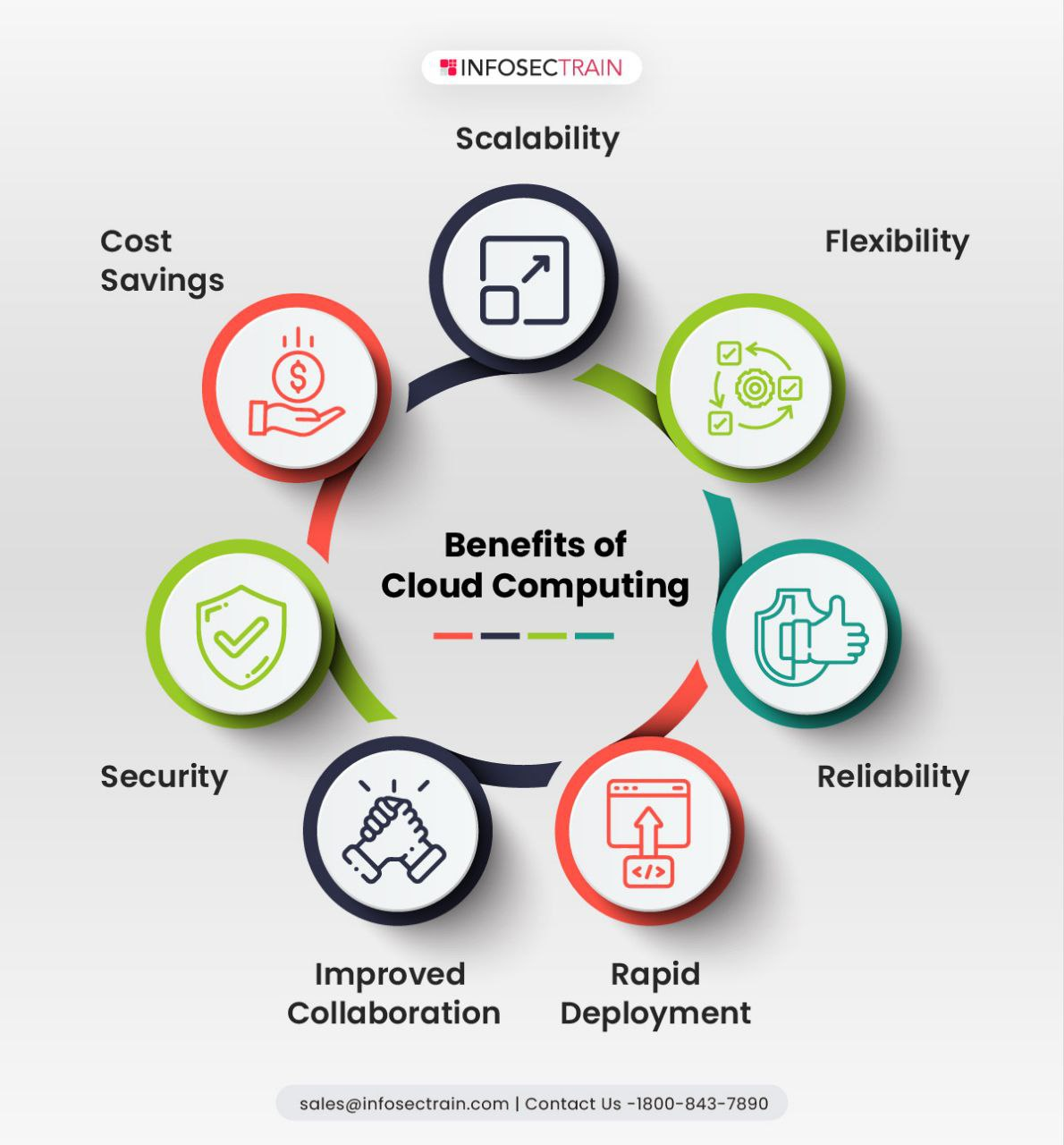
- Lower upfront costs
- Pay-as-you-go pricing
- Highly scalable resources
- Quick deployment
- No hardware maintenance
- Accessible from anywhere with an internet connection
Disadvantages of Public Cloud
- Less control over infrastructure
- Shared computing environment
- Internet connection required
- May not meet strict compliance requirements for some industries
Best Uses for Public Cloud
Public cloud is ideal for:
- Startups
- Small and medium-sized businesses
- Website hosting
- Mobile applications
- Software development and testing
- Cloud storage
- Business collaboration tools
What Is a Private Cloud?
A private cloud is a cloud environment dedicated exclusively to one organization. Unlike a public cloud, all computing resources are reserved for a single business, offering greater control, customization, and security.
Private clouds may be hosted on-premises in an organization’s own data center or managed by a third-party provider. They are commonly used by organizations that handle highly sensitive information or must comply with strict industry regulations.
Advantages of Private Cloud
- Enhanced security
- Greater privacy
- Complete control over infrastructure
- Better customization
- Improved regulatory compliance
- Consistent performance
Disadvantages of Private Cloud
- Higher setup and maintenance costs
- Requires skilled IT staff
- Limited scalability compared to public cloud
- Longer deployment time
Best Uses for Private Cloud
Private cloud is well suited for:
- Financial institutions
- Healthcare organizations
- Government agencies
- Large enterprises
- Businesses handling confidential customer data
Public Cloud vs Private Cloud Comparison
| Feature | Public Cloud | Private Cloud |
|---|---|---|
| Ownership | Third-party provider | Single organization |
| Infrastructure | Shared | Dedicated |
| Cost | Lower | Higher |
| Scalability | Excellent | Moderate |
| Security | High | Very High |
| Customization | Limited | Extensive |
| Maintenance | Managed by provider | Managed by organization or provider |
| Deployment Speed | Fast | Slower |
| Compliance | Suitable for most businesses | Ideal for strict regulatory requirements |
Which One Is More Secure?
Both public and private cloud environments can be highly secure when managed properly. Public cloud providers invest heavily in cybersecurity, encryption, and continuous monitoring to protect customer data.
However, private cloud offers greater control over security policies, access management, and infrastructure, making it the preferred option for organizations dealing with sensitive information or regulatory requirements.
How to Choose Between Public and Private Cloud
Choosing the right cloud model depends on your organization’s goals, budget, and security needs.
A public cloud is a good choice if you want:
- Affordable cloud services
- Rapid deployment
- Easy scalability
- Minimal IT maintenance
- Flexible resource allocation
A private cloud is a better option if you need:
- Maximum data security
- Full control over infrastructure
- Industry compliance
- Customized cloud environments
- Dedicated computing resources
Can You Use Both?
Yes. Many businesses use a hybrid cloud, which combines public and private cloud environments. Sensitive data remains in the private cloud, while less critical workloads run in the public cloud. This approach offers the flexibility of public cloud services while maintaining the security of a private cloud.
Conclusion
Both public cloud and private cloud provide reliable computing resources, but they serve different purposes. Public cloud is affordable, scalable, and easy to manage, making it ideal for startups and growing businesses. Private cloud offers greater security, control, and customization, making it the preferred choice for organizations with strict compliance and privacy requirements.
Before choosing a cloud model, evaluate your budget, workload, security needs, and long-term business goals. Selecting the right cloud solution will help improve efficiency, reduce costs, and support future growth.