As businesses increasingly adopt cloud computing, many are choosing to use more than one cloud provider instead of relying on a single platform. This approach, known as a multi-cloud strategy, helps organizations improve reliability, enhance performance, reduce costs, and avoid dependence on a single vendor.
From startups to global enterprises, multi-cloud has become a popular strategy for managing applications, storing data, and supporting business growth. In this article, you’ll learn what a multi-cloud strategy is, how it works, its benefits, challenges, and when it makes sense for your organization.
What Is a Multi-Cloud Strategy?
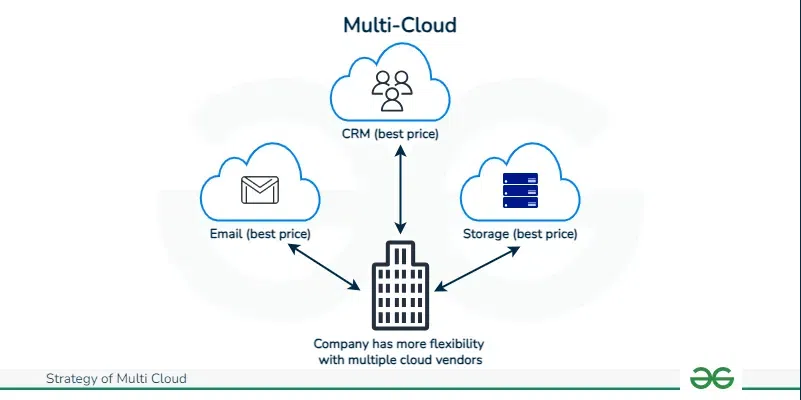
A multi-cloud strategy is the practice of using two or more cloud service providers to host applications, store data, or deliver cloud-based services. Instead of relying on one provider, businesses distribute their workloads across multiple cloud platforms based on their specific needs.
For example, a company might use one cloud provider for data storage, another for artificial intelligence services, and a third for website hosting. Each provider is selected for its strengths, allowing the business to optimize performance and costs.
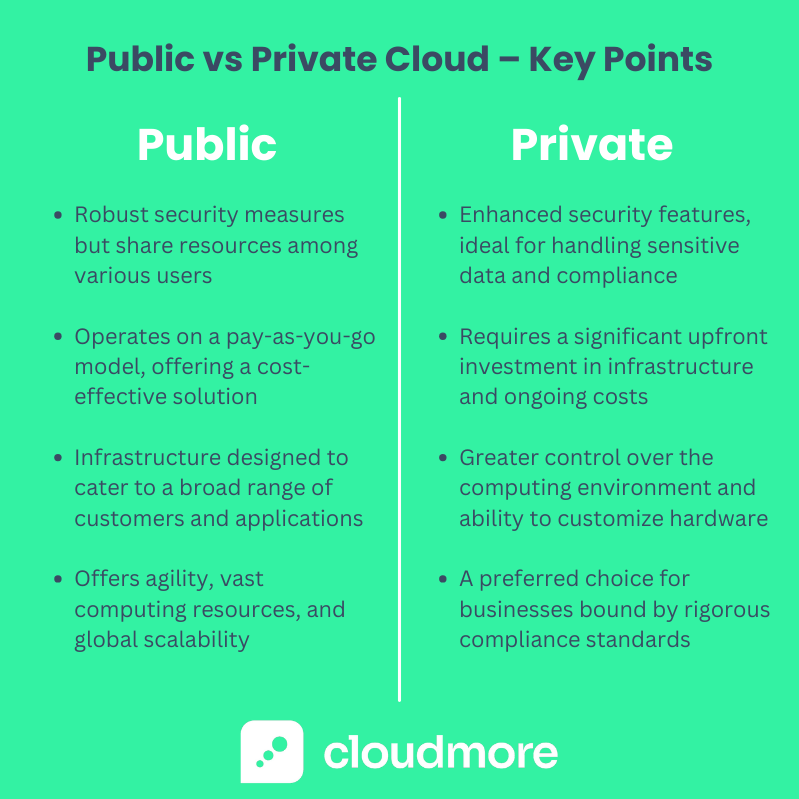
Unlike a hybrid cloud, which combines public and private cloud environments, a multi-cloud strategy typically involves using multiple public cloud providers.
How Does a Multi-Cloud Strategy Work?
A multi-cloud environment connects different cloud platforms so they can support various business operations.
A typical workflow includes:
- Business applications are distributed across multiple cloud providers.
- Data is stored in different cloud environments based on security and performance requirements.
- Cloud management tools monitor all platforms from a central dashboard.
- Workloads can be shifted between providers to improve performance or reduce downtime.
- Each provider delivers specialized services that best match business requirements.
This approach allows organizations to choose the right cloud service for each workload rather than depending on a single provider.
Benefits of a Multi-Cloud Strategy
Reduced Vendor Lock-In
One of the biggest advantages of multi-cloud is avoiding dependence on a single cloud provider. If pricing changes, services become unavailable, or business needs evolve, organizations have greater flexibility to switch or expand without major disruptions.
Improved Reliability
Using multiple cloud providers reduces the risk of service interruptions. If one provider experiences an outage, applications hosted on another platform can continue operating, helping maintain business continuity.
Better Performance
Businesses can select the cloud provider that offers the best performance for specific applications or geographic regions. This helps improve user experience and reduce latency.
Cost Optimization
Different cloud providers offer different pricing models. A multi-cloud strategy allows organizations to choose the most cost-effective services for storage, computing power, networking, and specialized workloads.
Access to Specialized Services
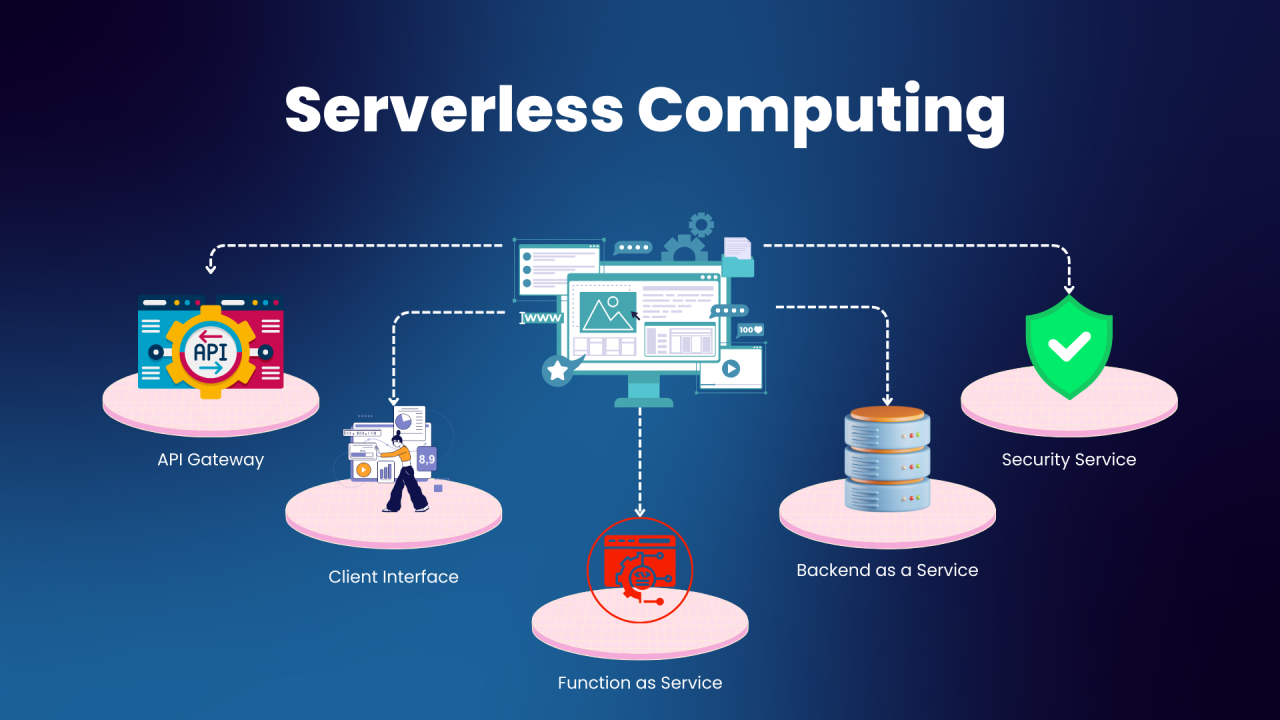
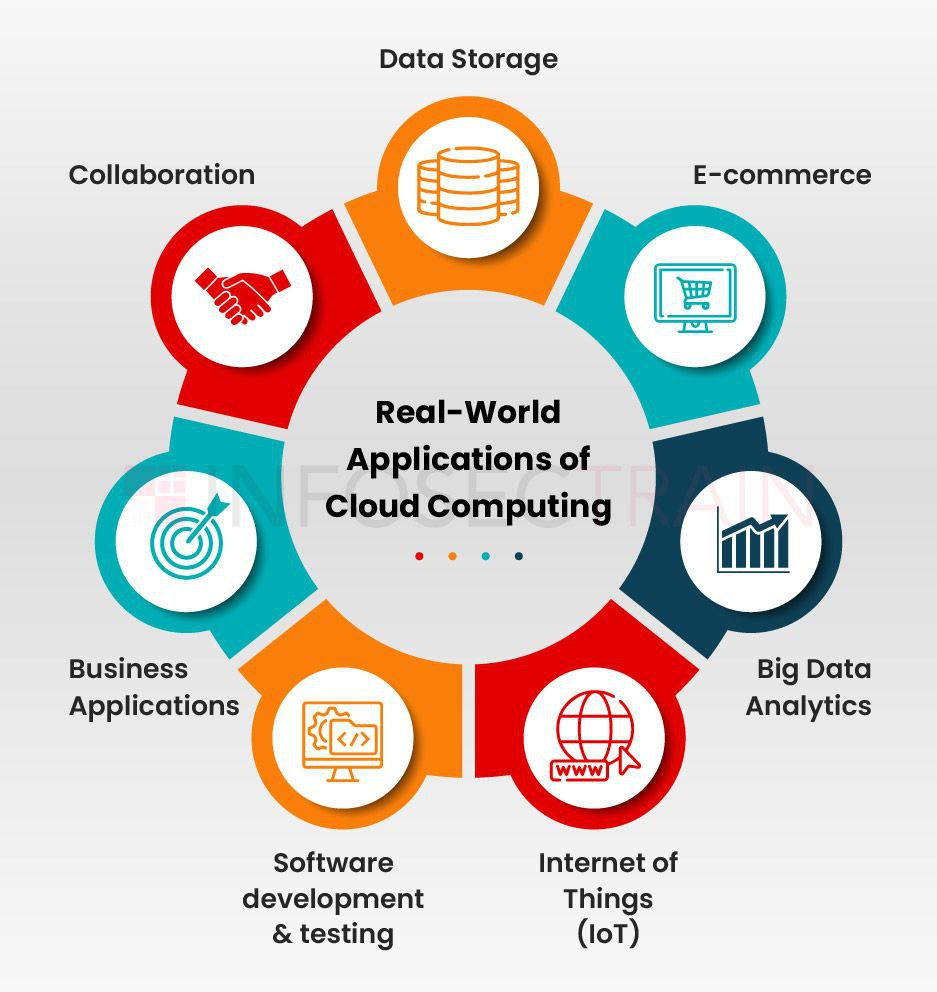
Each cloud provider offers unique features and technologies. Businesses can take advantage of advanced services such as artificial intelligence, machine learning, big data analytics, and serverless computing from different providers without being limited to one ecosystem.
Enhanced Disaster Recovery
Storing backups and critical applications across multiple cloud providers improves disaster recovery planning. If one provider experiences technical issues, data and services remain available through another platform.
Challenges of a Multi-Cloud Strategy
While multi-cloud offers many advantages, it also introduces additional complexity.
More Complex Management
Managing multiple cloud platforms requires careful planning and monitoring. Businesses often need centralized management tools to oversee resources, costs, and security.
Security Management
Each cloud provider has its own security features and configurations. Maintaining consistent security policies across multiple platforms can be challenging without proper governance.
Increased Skill Requirements
IT teams must understand the services, tools, and management systems of multiple cloud providers, which may require additional training and expertise.
Data Integration
Moving data between different cloud environments can be more complicated than operating within a single platform. Proper planning is necessary to ensure smooth integration and consistent performance.
Multi-Cloud vs Hybrid Cloud
Although the terms are sometimes confused, they are different cloud strategies.
Hybrid Cloud combines public and private cloud environments, allowing organizations to balance security and scalability.
Multi-Cloud uses two or more cloud providers, usually public clouds, to improve flexibility, reliability, and service selection.
Some organizations use both strategies together, creating a hybrid multi-cloud environment that combines private infrastructure with multiple public cloud providers.
When Should You Choose a Multi-Cloud Strategy?
A multi-cloud strategy is a good choice if your organization:
- Wants to avoid vendor lock-in.
- Requires high availability and reliability.
- Operates in multiple countries or regions.
- Needs specialized cloud services from different providers.
- Wants to improve disaster recovery.
- Seeks greater flexibility and cost optimization.
Large enterprises, software companies, financial institutions, and global businesses often benefit the most from a multi-cloud approach.
Best Practices for Implementing Multi-Cloud
To successfully manage a multi-cloud environment, organizations should:
- Define clear cloud management policies.
- Use centralized monitoring and management tools.
- Implement consistent security standards across all platforms.
- Regularly monitor cloud costs and resource usage.
- Back up critical data across multiple locations.
- Train IT teams on the technologies used by each provider.
Following these best practices helps reduce complexity while maximizing the benefits of a multi-cloud strategy.
Conclusion
A multi-cloud strategy enables businesses to use multiple cloud providers to improve flexibility, reliability, and performance while reducing dependence on a single vendor. By selecting the best services from different providers, organizations can optimize costs, strengthen disaster recovery, and support future growth. Although managing multiple cloud environments requires careful planning, the long-term benefits make multi-cloud an increasingly popular choice for businesses embracing digital transformation.