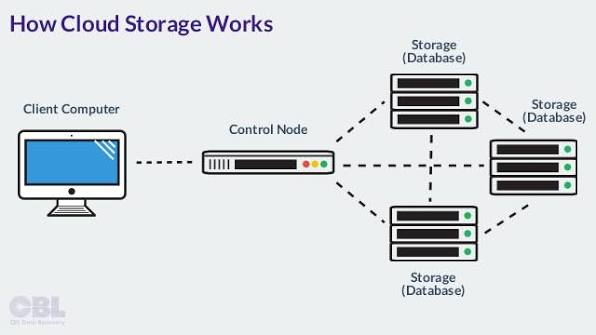
Cloud computing has become an essential part of modern technology, helping businesses and individuals store data, run applications, and access computing resources over the internet. Instead of investing in expensive hardware and maintaining complex IT infrastructure, users can rely on cloud services to meet their computing needs efficiently.
From startups to large enterprises, organizations worldwide are adopting cloud computing because of its flexibility, scalability, and cost-effectiveness. Understanding its advantages can help you make informed decisions when choosing digital solutions.
Cost Savings
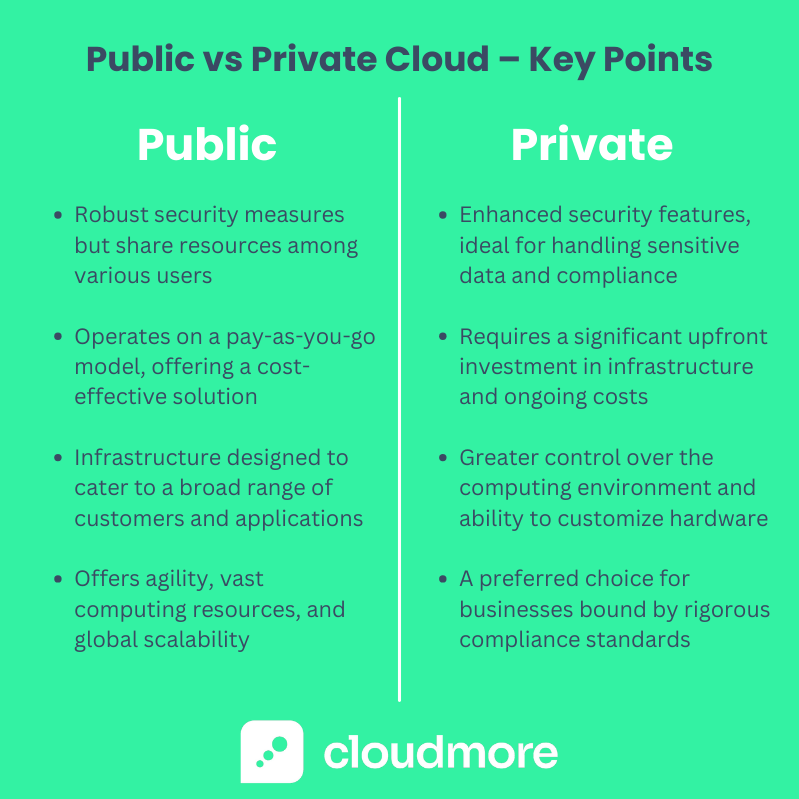
One of the biggest advantages of cloud computing is reduced costs. Businesses no longer need to purchase expensive servers, networking equipment, or data storage systems. Cloud providers offer pay-as-you-go pricing, allowing users to pay only for the resources they use.
This reduces upfront investments and lowers ongoing maintenance expenses, making cloud computing an affordable option for businesses of all sizes.
Scalability and Flexibility
Cloud computing allows users to scale resources up or down based on demand. If a business experiences increased website traffic or seasonal growth, additional computing power and storage can be added quickly. Likewise, resources can be reduced when demand decreases, helping organizations optimize costs.
This flexibility ensures businesses can respond quickly to changing needs without investing in new hardware.
Access from Anywhere
Cloud services can be accessed from any location with a stable internet connection. Employees can work remotely, collaborate with teammates, and access important files using laptops, tablets, or smartphones.
This accessibility supports remote work, hybrid workplaces, and global business operations while improving overall productivity.
Improved Collaboration
Cloud computing makes collaboration easier by allowing multiple users to work on the same documents and projects simultaneously. Changes are saved automatically and updated in real time, reducing version conflicts and improving teamwork.
Whether employees are in the same office or different countries, cloud-based collaboration tools help teams stay connected and productive.
Automatic Software Updates
Cloud service providers regularly update their platforms with the latest features, security improvements, and performance enhancements. Users do not need to install updates manually or worry about maintaining software.
Automatic updates save time, reduce maintenance efforts, and ensure systems remain secure and up to date.
Reliable Data Backup and Recovery
Data loss can occur due to hardware failure, accidental deletion, cyberattacks, or natural disasters. Cloud computing helps protect valuable information by offering automated backup and disaster recovery solutions.
Most cloud providers store data across multiple servers and locations, making it easier to recover files if one system experiences a failure.
Enhanced Security
Leading cloud providers invest heavily in cybersecurity to protect customer data. They use advanced security measures such as encryption, firewalls, multi-factor authentication, and continuous monitoring to reduce security risks.
While users should still follow best security practices, cloud platforms often provide stronger protection than many organizations can achieve with their own infrastructure.
High Performance
Cloud providers operate modern data centers equipped with high-performance hardware and reliable network connections. This allows cloud applications to deliver fast processing speeds, minimal downtime, and consistent performance even during periods of high demand.
Businesses benefit from improved efficiency without managing complex infrastructure themselves.
Business Continuity
Unexpected events such as power outages, hardware failures, or natural disasters can disrupt business operations. Cloud computing helps organizations maintain business continuity by storing data securely in remote locations and providing reliable disaster recovery options.
Employees can continue accessing essential applications and files from alternative locations, minimizing downtime.
Environmentally Friendly
Cloud computing can also contribute to environmental sustainability. Large cloud providers optimize energy usage in their data centers, reducing waste and improving efficiency. By sharing computing resources among multiple users, cloud platforms often consume less energy than maintaining numerous individual servers.
This makes cloud computing a greener choice for many organizations.
Supports Innovation
Cloud computing enables businesses to experiment with new ideas without making significant investments in hardware. Developers can quickly create, test, and deploy applications using cloud resources, accelerating innovation and reducing time to market.
This flexibility helps companies remain competitive in today’s fast-changing digital landscape.
Common Applications of Cloud Computing
Cloud computing is widely used across various industries for tasks such as:
- Online file storage and backup
- Website hosting
- Video streaming services
- Email platforms
- Business software
- Mobile applications
- Artificial intelligence and machine learning
- Data analytics
- Online collaboration tools
These applications demonstrate how cloud computing supports both everyday users and large organizations.
Conclusion
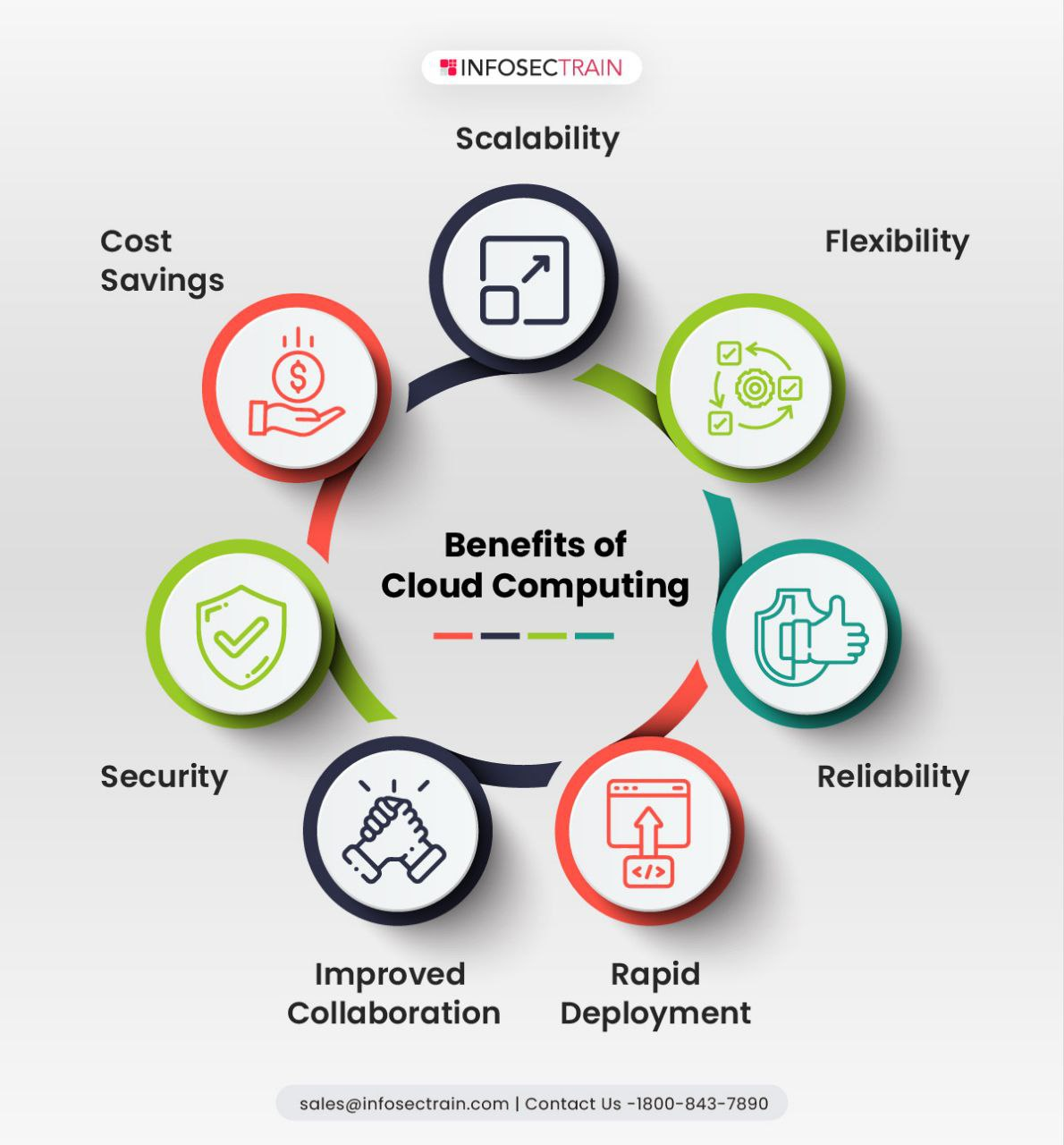
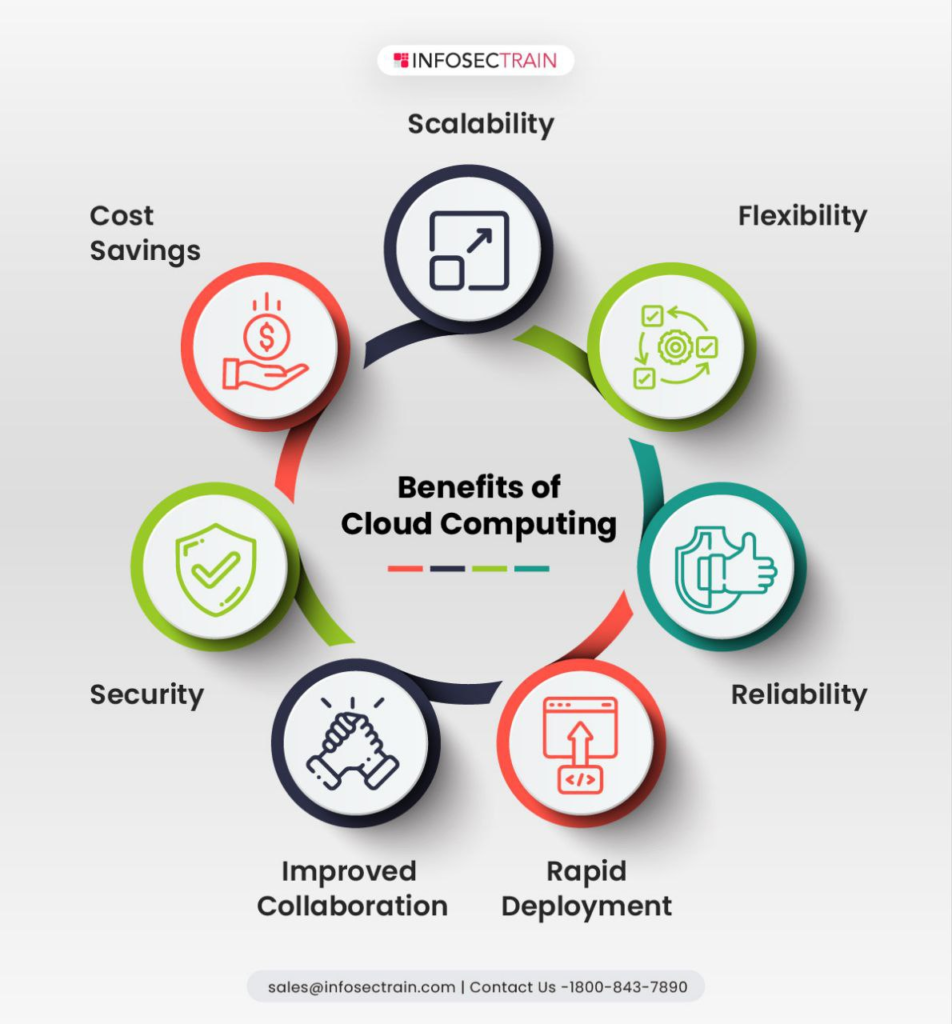
Cloud computing offers numerous advantages, including cost savings, scalability, flexibility, remote accessibility, improved collaboration, enhanced security, and reliable data backup. It enables businesses to operate more efficiently while reducing infrastructure costs and supporting future growth. As technology continues to evolve, cloud computing will remain a key driver of innovation, helping organizations adapt to changing business needs and deliver better digital experiences.