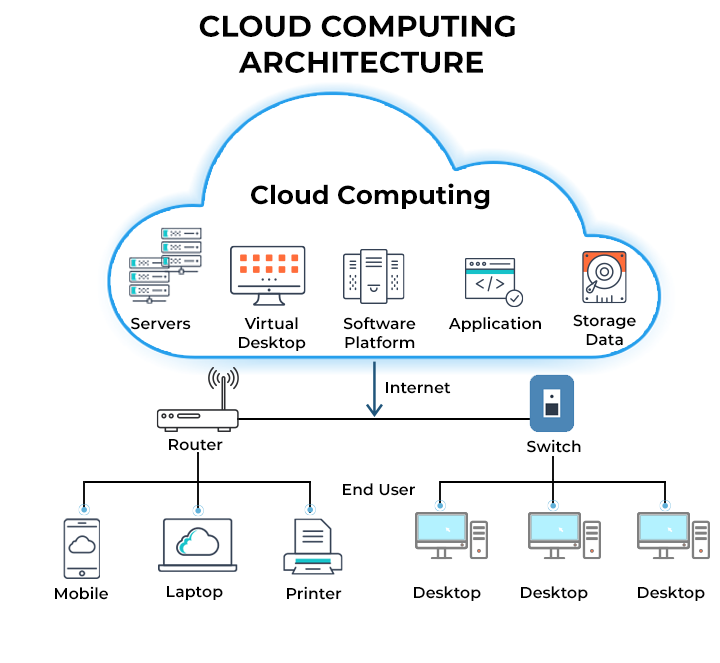
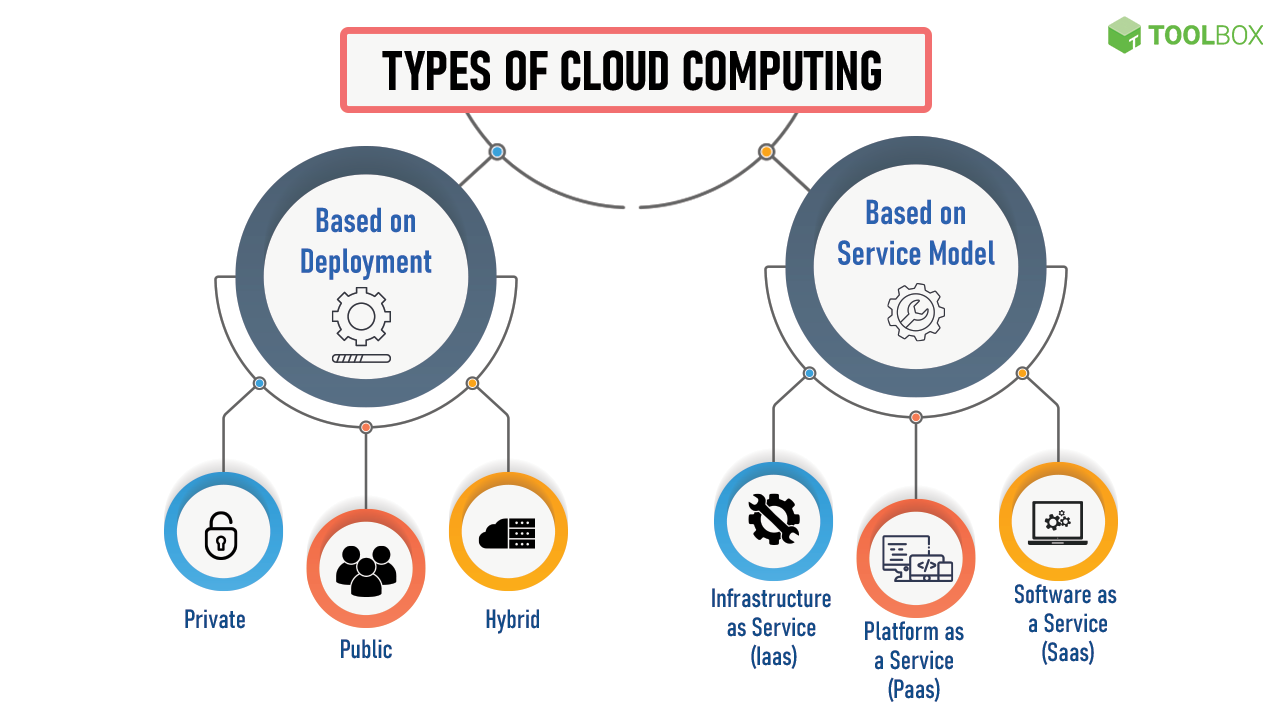
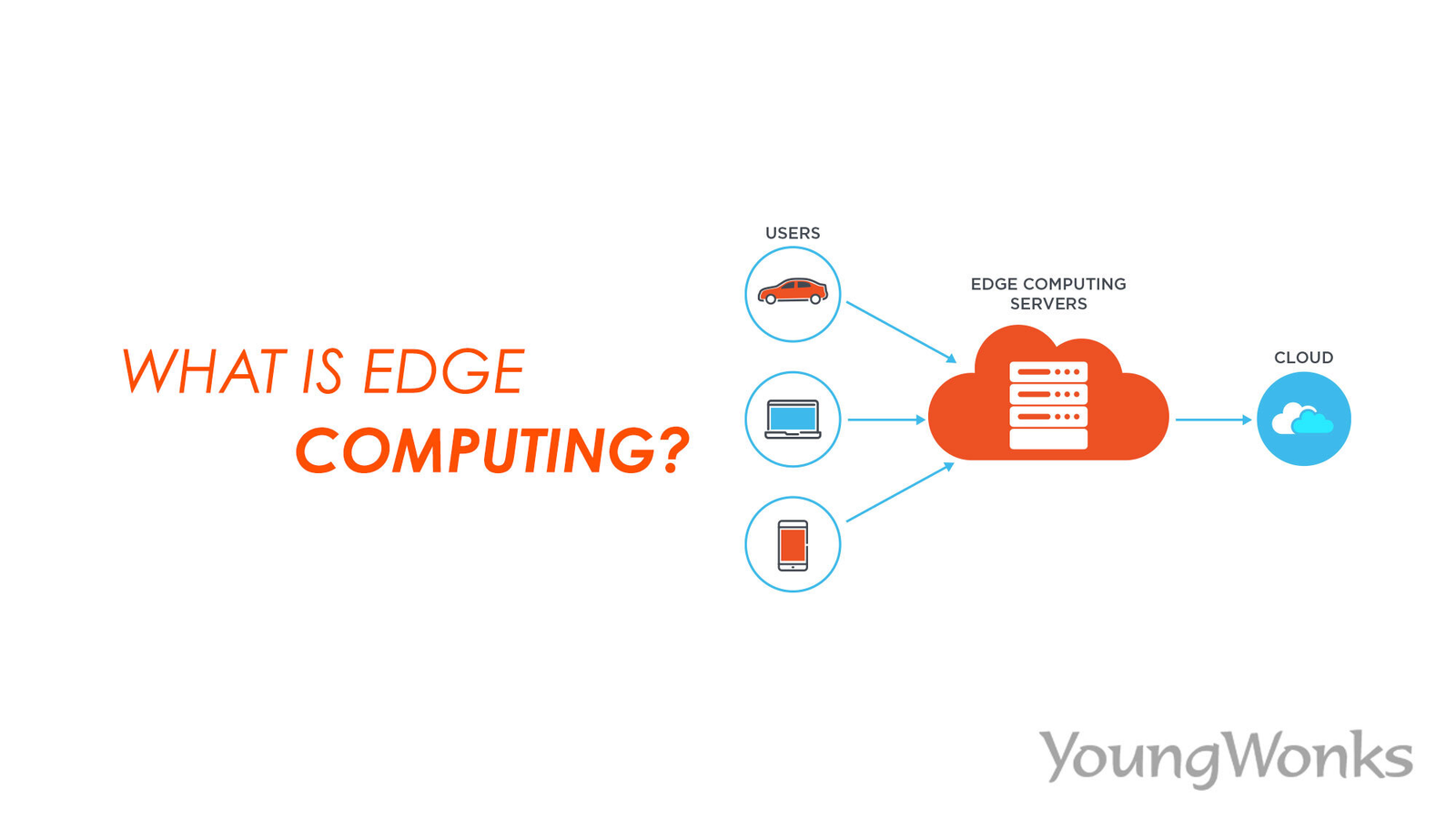
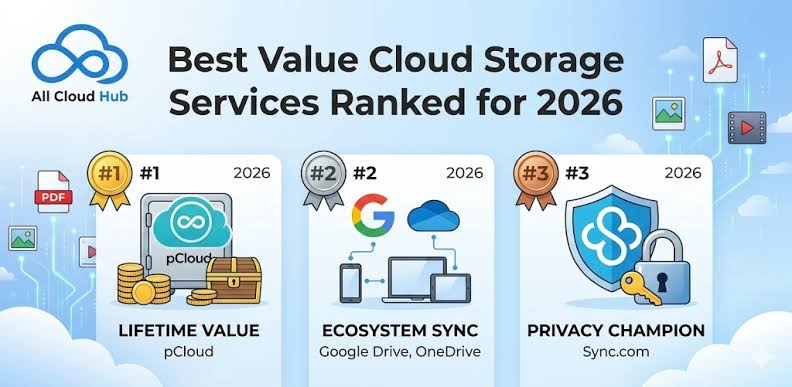
Cloud computing has transformed the way individuals and businesses store data, run applications, and manage IT infrastructure. Its flexibility, scalability, and cost savings make it an attractive solution for organizations of all sizes. However, despite its many advantages, cloud computing also comes with certain challenges that users should consider before adopting cloud-based services.
Understanding the disadvantages of cloud computing can help businesses make informed decisions and implement strategies to reduce potential risks.
Internet Dependency
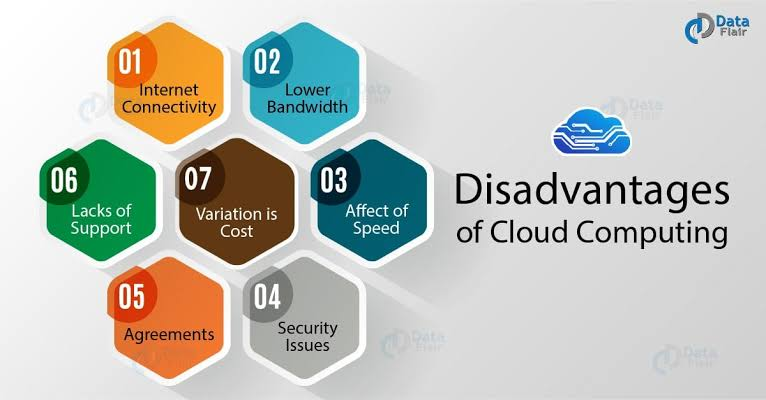
One of the biggest disadvantages of cloud computing is its dependence on a stable internet connection. Since cloud services operate online, users need reliable internet access to store, retrieve, and manage their data.
If the internet connection is slow or unavailable, users may experience delays or lose access to important files and applications. This can affect productivity, especially for businesses that rely heavily on cloud-based systems.
Security Concerns
Although major cloud providers invest heavily in cybersecurity, storing sensitive information on remote servers may raise security concerns. Cyberattacks, hacking attempts, and data breaches remain potential risks if proper security measures are not in place.
Organizations should strengthen their security by using strong passwords, multi-factor authentication, encryption, and regular security monitoring.
Data Privacy Issues
Many businesses handle confidential customer information and must comply with data protection regulations. When data is stored in the cloud, it may be hosted in different countries, where privacy laws can vary.
Before choosing a cloud provider, organizations should understand where their data is stored and ensure the provider complies with relevant legal and industry requirements.
Downtime and Service Outages
Cloud services are generally reliable, but no system is completely immune to technical problems. Hardware failures, software bugs, cyberattacks, or maintenance work can cause temporary service outages.
Even short periods of downtime can disrupt business operations, prevent employees from accessing important data, and affect customer services.
Limited Control
When using cloud computing, much of the infrastructure is managed by the cloud provider. Users have limited control over hardware, server configurations, and maintenance schedules.
While this reduces management responsibilities, it may also limit customization options for organizations with specialized technical requirements.
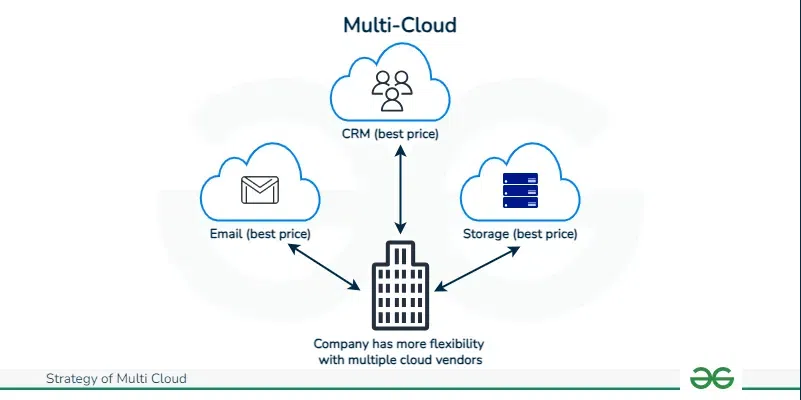
Vendor Lock-In
Migrating from one cloud provider to another can be difficult and time-consuming. Different providers often use unique technologies, pricing structures, and management tools, making data migration more complex.
This dependency on a single provider is known as vendor lock-in and can reduce flexibility if an organization wants to switch services in the future.
Ongoing Subscription Costs
Cloud computing eliminates large upfront investments, but long-term subscription fees can add up over time. Businesses with growing storage needs or heavy resource usage may find that monthly costs increase significantly.
Regular monitoring and resource optimization are essential to prevent unnecessary spending.
Performance Issues
Cloud performance depends on factors such as internet speed, network traffic, and server availability. During periods of high demand, users may experience slower response times or reduced application performance.
Organizations with high-performance workloads should evaluate service-level agreements and infrastructure capabilities before selecting a cloud provider.
Data Loss Risks
Although cloud providers use backup systems and redundancy to protect customer data, accidental deletion, software errors, or cyberattacks can still result in data loss if proper backup strategies are not followed.
Businesses should maintain additional backups and disaster recovery plans to minimize potential risks.
Compliance Challenges
Some industries, such as healthcare, banking, and government, have strict regulations regarding data storage and security. Organizations must ensure that their cloud provider meets all compliance requirements before storing sensitive information.
Failure to comply with regulations may result in legal penalties and reputational damage.
Technical Issues
Like any technology, cloud platforms may experience technical glitches, software bugs, or compatibility problems. These issues can temporarily affect access to applications and services.
Working with a reputable cloud provider that offers reliable technical support can help resolve problems quickly.
How to Reduce the Risks
Many disadvantages of cloud computing can be minimized with proper planning and security practices. Businesses should:
- Choose a trusted cloud service provider.
- Enable multi-factor authentication for all accounts.
- Encrypt sensitive data before storing it in the cloud.
- Regularly back up important files.
- Monitor cloud usage to control costs.
- Review compliance and privacy policies.
- Develop a disaster recovery plan.
By following these best practices, organizations can enjoy the benefits of cloud computing while reducing potential risks.
Conclusion
Cloud computing offers numerous benefits, but it also presents challenges such as internet dependency, security concerns, privacy issues, vendor lock-in, service outages, and ongoing subscription costs. Understanding these disadvantages allows businesses and individuals to make informed decisions and implement effective strategies to protect their data and operations. With careful planning and the right cloud provider, most of these challenges can be managed successfully, allowing users to take full advantage of cloud computing’s capabilities.