What Is Cloud Computing?
Cloud computing is one of the most important technologies powering today’s digital world. From storing photos online to running business applications, cloud computing allows users to access data, software, and computing resources over the internet instead of relying on local computers or physical servers.
Whether you’re using Google Drive, Microsoft OneDrive, or streaming videos on Netflix, you’re already using cloud computing. Its flexibility, scalability, and affordability have made it an essential solution for individuals, businesses, and organizations of all sizes.
How Does Cloud Computing Work?
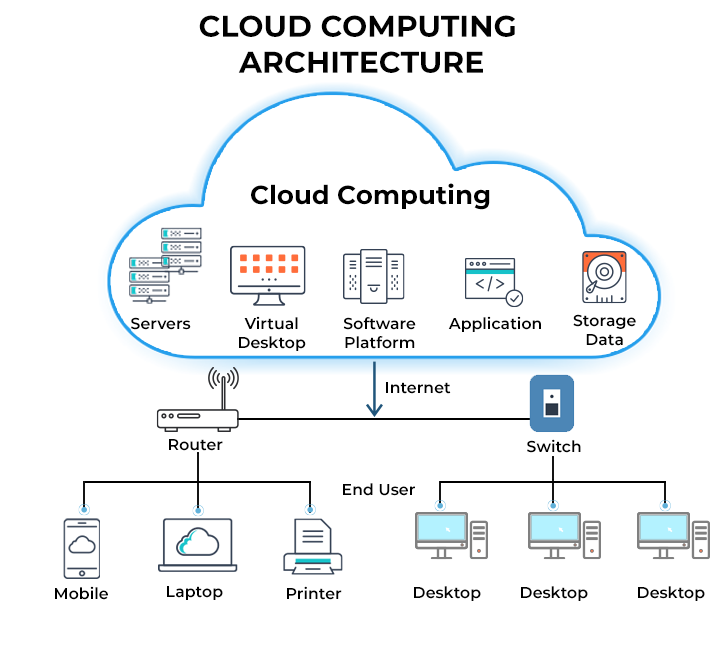
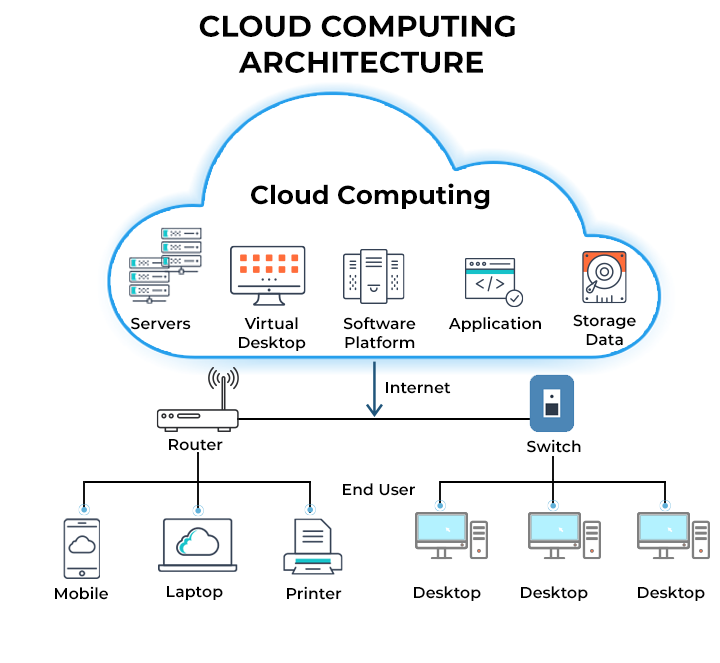
Cloud computing works by using remote servers hosted in secure data centers. Instead of storing files or running applications on your personal computer, the data and software are managed by cloud providers and accessed through an internet connection.
When you upload a file to a cloud storage service or use an online application, your request is sent to a remote server. The server processes the request and delivers the information back to your device almost instantly. This allows you to access your files and applications from virtually anywhere using a computer, smartphone, or tablet.
Types of Cloud Computing
There are three primary types of cloud computing:
Public Cloud
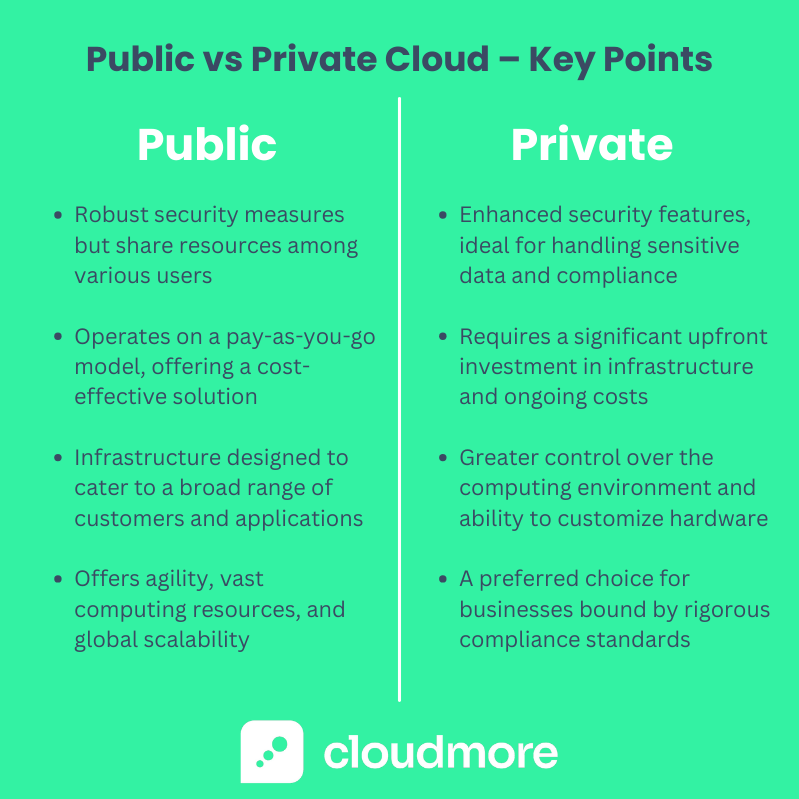
Public cloud services are owned and operated by third-party providers. Resources are shared among multiple users, making them affordable and easy to scale. This option is popular with startups, small businesses, and individual users.
Private Cloud
A private cloud is dedicated to a single organization. It offers greater control, customization, and security, making it suitable for industries that handle sensitive information, such as healthcare and finance.
Hybrid Cloud
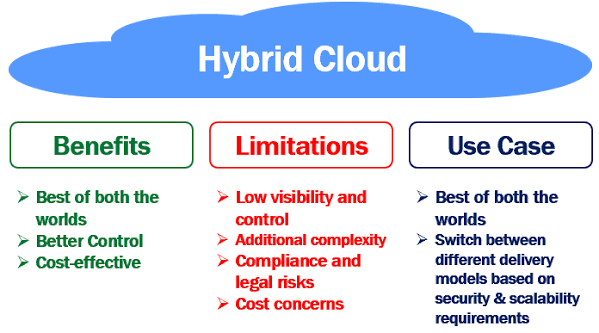
Hybrid cloud combines public and private cloud environments. Businesses can keep critical data in a private cloud while using public cloud services for less sensitive workloads. This approach offers flexibility and improved resource management.
Benefits of Cloud Computing
Cloud computing provides numerous advantages for both businesses and individuals.
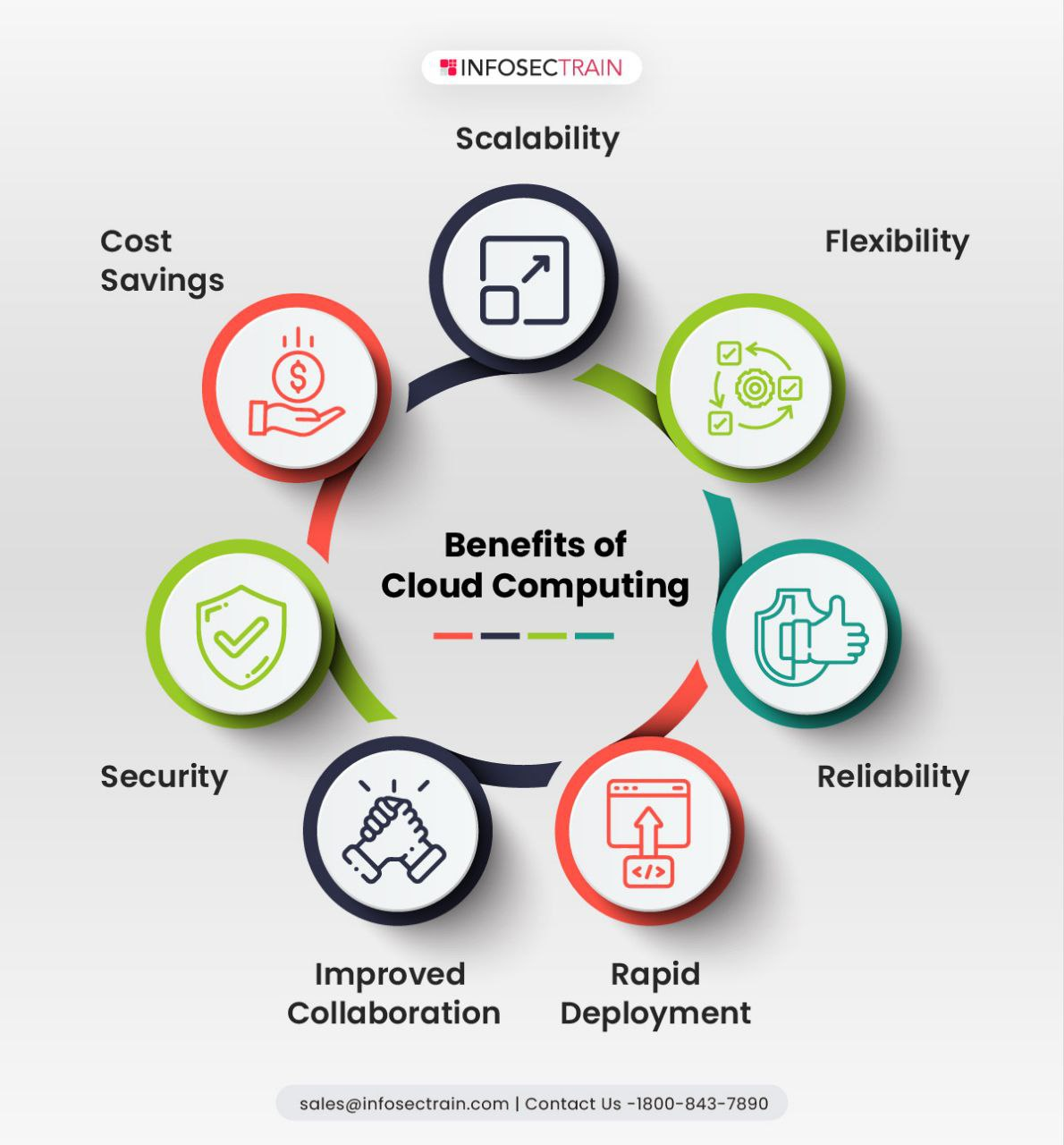
- Cost Savings: Users avoid the expense of purchasing and maintaining physical servers by paying only for the resources they use.
- Scalability: Cloud resources can be increased or reduced quickly based on demand.
- Accessibility: Files and applications can be accessed from anywhere with an internet connection.
- Automatic Updates: Cloud providers regularly update software and security features without requiring user intervention.
- Data Backup and Recovery: Cloud platforms offer reliable backup solutions that help protect data from hardware failures or accidental deletion.
- Collaboration: Teams can work on the same files simultaneously, improving productivity and communication.
Common Uses of Cloud Computing
Cloud computing supports many everyday activities and business operations, including:
- Online file storage and backup
- Email services
- Video streaming platforms
- Website hosting
- Software-as-a-Service (SaaS) applications
- Online collaboration tools
- Data analytics
- Artificial intelligence and machine learning
These services make cloud computing an essential part of modern technology.
Challenges of Cloud Computing
While cloud computing offers many benefits, it also has some challenges. A reliable internet connection is necessary to access cloud services. Organizations must also consider data privacy, security, and compliance requirements when choosing a cloud provider. Additionally, long-term subscription costs may become significant if resources are not managed efficiently.
The Future of Cloud Computing
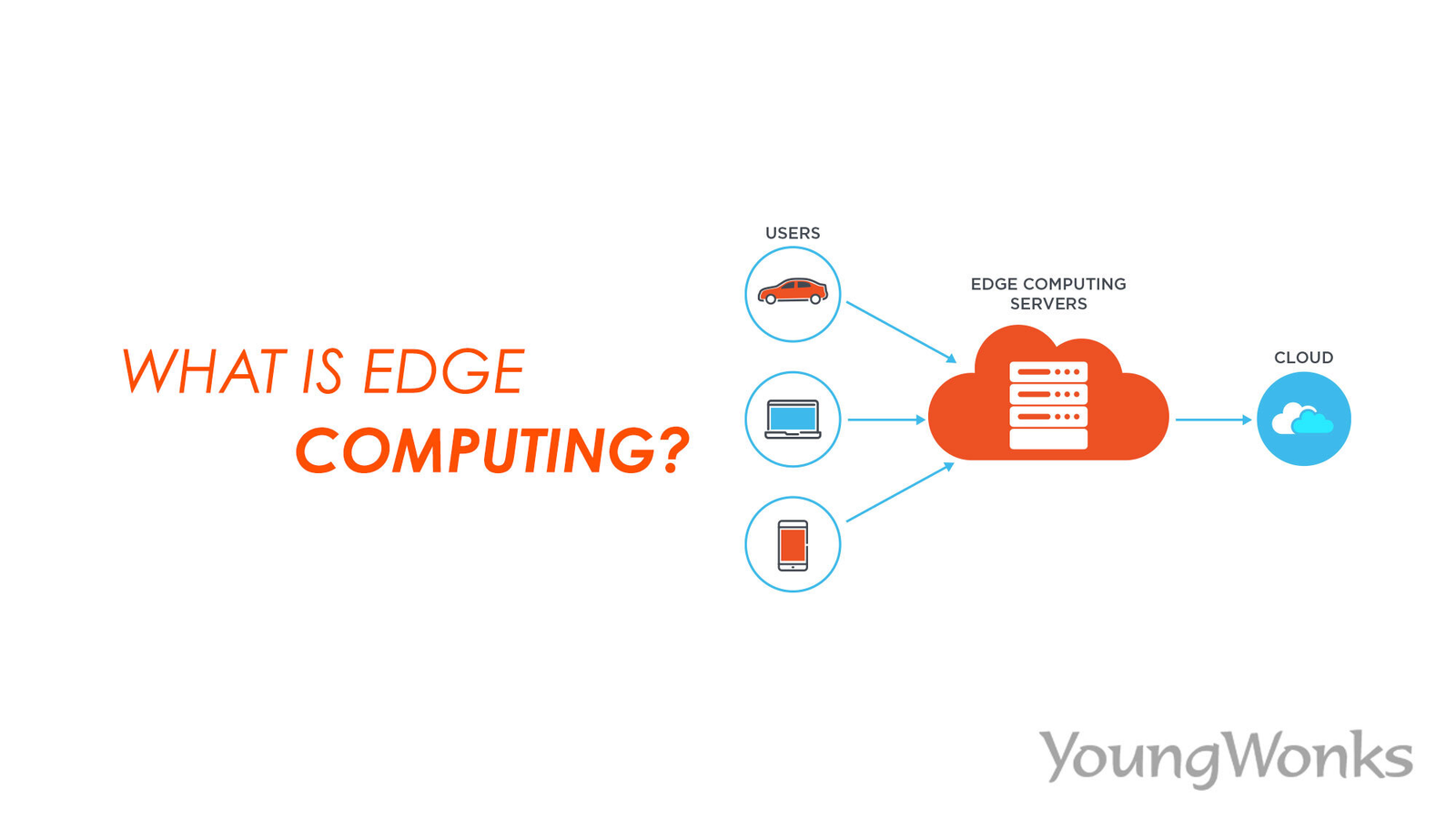
Cloud computing continues to evolve as businesses adopt advanced technologies such as artificial intelligence, edge computing, and the Internet of Things (IoT). As organizations increasingly rely on digital solutions, the demand for cloud services is expected to grow rapidly in the coming years. New innovations will improve performance, security, and efficiency, making cloud computing even more valuable.
Conclusion
Cloud computing has transformed the way people store data, access software, and manage digital resources. By providing flexible, scalable, and cost-effective computing services over the internet, it enables individuals and businesses to work more efficiently while reducing infrastructure costs. As technology advances, cloud computing will remain a key driver of innovation, supporting everything from everyday online activities to complex enterprise solutions.