Cloud computing has become the backbone of modern digital services, enabling businesses and individuals to access computing resources over the internet. Behind every cloud service is a well-designed architecture that ensures applications run efficiently, data remains secure, and users can access resources whenever they need them.
Understanding cloud computing architecture helps explain how cloud platforms deliver storage, computing power, networking, and software services to millions of users worldwide.
What Is Cloud Computing Architecture?
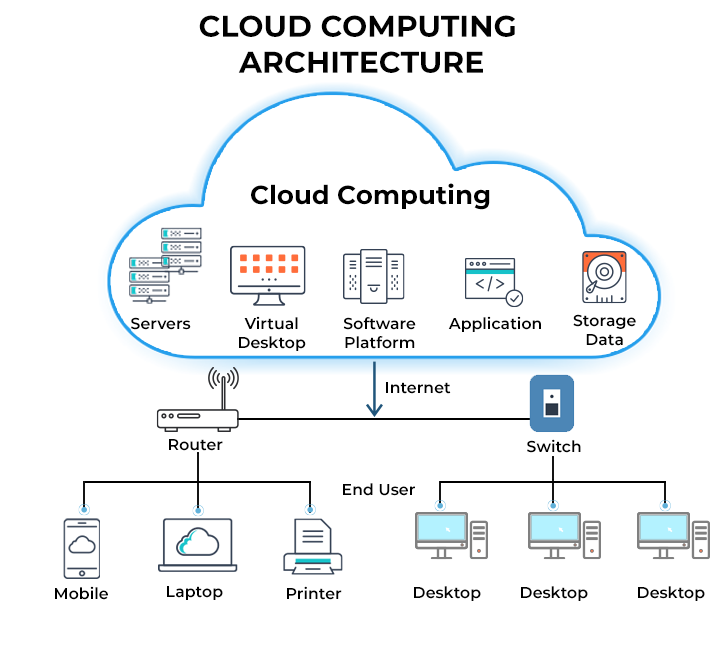
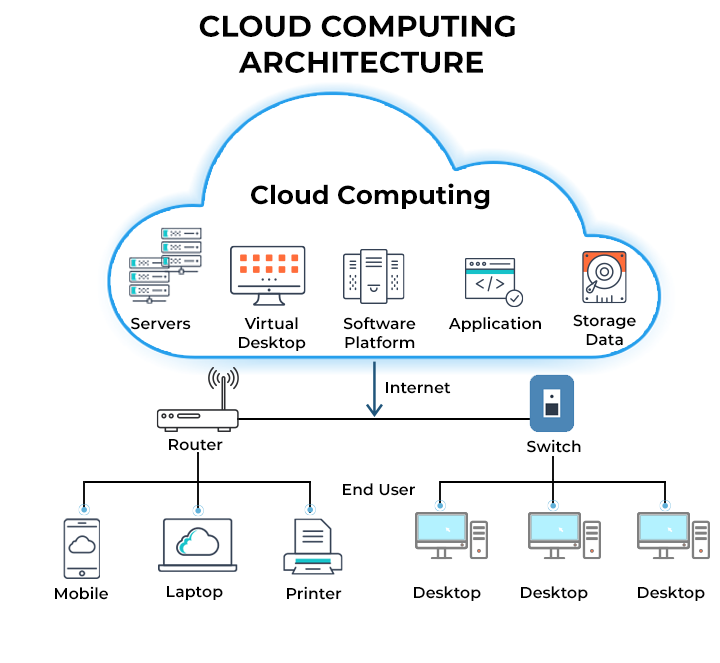
Cloud computing architecture is the structure and design of all the components that work together to deliver cloud services. It includes the hardware, software, networking, storage, servers, and management tools that enable cloud computing.
The architecture is divided into two main parts:
- Front-End: The part users interact with, such as web browsers, mobile apps, or desktop applications.
- Back-End: The cloud infrastructure where data is stored, applications are hosted, and computing resources are managed.
These two parts communicate through the internet, allowing users to access cloud services from anywhere.
Main Components of Cloud Computing Architecture
Cloud computing architecture consists of several essential components that work together to provide reliable and scalable services.
Front-End Platform
The front-end is the user interface that allows people to interact with cloud services. It includes:
- Web browsers
- Mobile applications
- Desktop software
- User dashboards
This is where users upload files, run applications, or access cloud-based services.
Back-End Platform
The back-end contains the infrastructure responsible for processing requests and delivering cloud services.
It includes:
- Physical servers
- Virtual machines
- Storage systems
- Databases
- Networking equipment
- Security systems
Cloud providers manage these resources so users do not have to maintain them.
Cloud Servers
Cloud servers are powerful computers located in secure data centers. They process user requests, host applications, and store data.
Unlike traditional servers, cloud servers can be scaled quickly to meet changing demands, ensuring high performance and reliability.
Storage Systems
Cloud storage allows users to save files, databases, backups, and application data on remote servers.
Storage systems are designed to provide:
- High availability
- Data redundancy
- Automatic backups
- Fast data access
- Disaster recovery support
Virtualization
Virtualization is one of the core technologies behind cloud computing.
It enables multiple virtual machines to run on a single physical server, allowing cloud providers to use hardware resources more efficiently while reducing costs.
Virtualization also improves flexibility because resources can be allocated or adjusted as needed.
Networking
Networking connects users to cloud resources through the internet.
Cloud networks manage:
- Data transfer
- Communication between servers
- Resource sharing
- Traffic routing
- Secure connections
Reliable networking ensures cloud services remain accessible with minimal delays.
Management Software
Cloud management software monitors and controls cloud resources.
These tools help administrators:
- Allocate computing resources
- Monitor performance
- Automate tasks
- Manage user access
- Track system health
- Optimize costs
Management platforms play a vital role in maintaining cloud efficiency.
Security Systems
Security is an essential component of cloud architecture.
Cloud providers implement multiple security measures, including:
- Data encryption
- Firewalls
- Multi-factor authentication
- Identity and access management
- Threat detection
- Continuous monitoring
These features help protect sensitive information and maintain user trust.
How Cloud Computing Architecture Works
Cloud computing architecture follows a simple process.
- A user accesses a cloud application using a web browser or mobile app.
- The request is sent over the internet to the cloud provider.
- The cloud server receives and processes the request.
- Required data is retrieved from cloud storage or databases.
- The processed information is sent back to the user’s device.
- Cloud management software continuously monitors performance, security, and resource usage.
This entire process usually takes only a few seconds.
Benefits of Cloud Computing Architecture
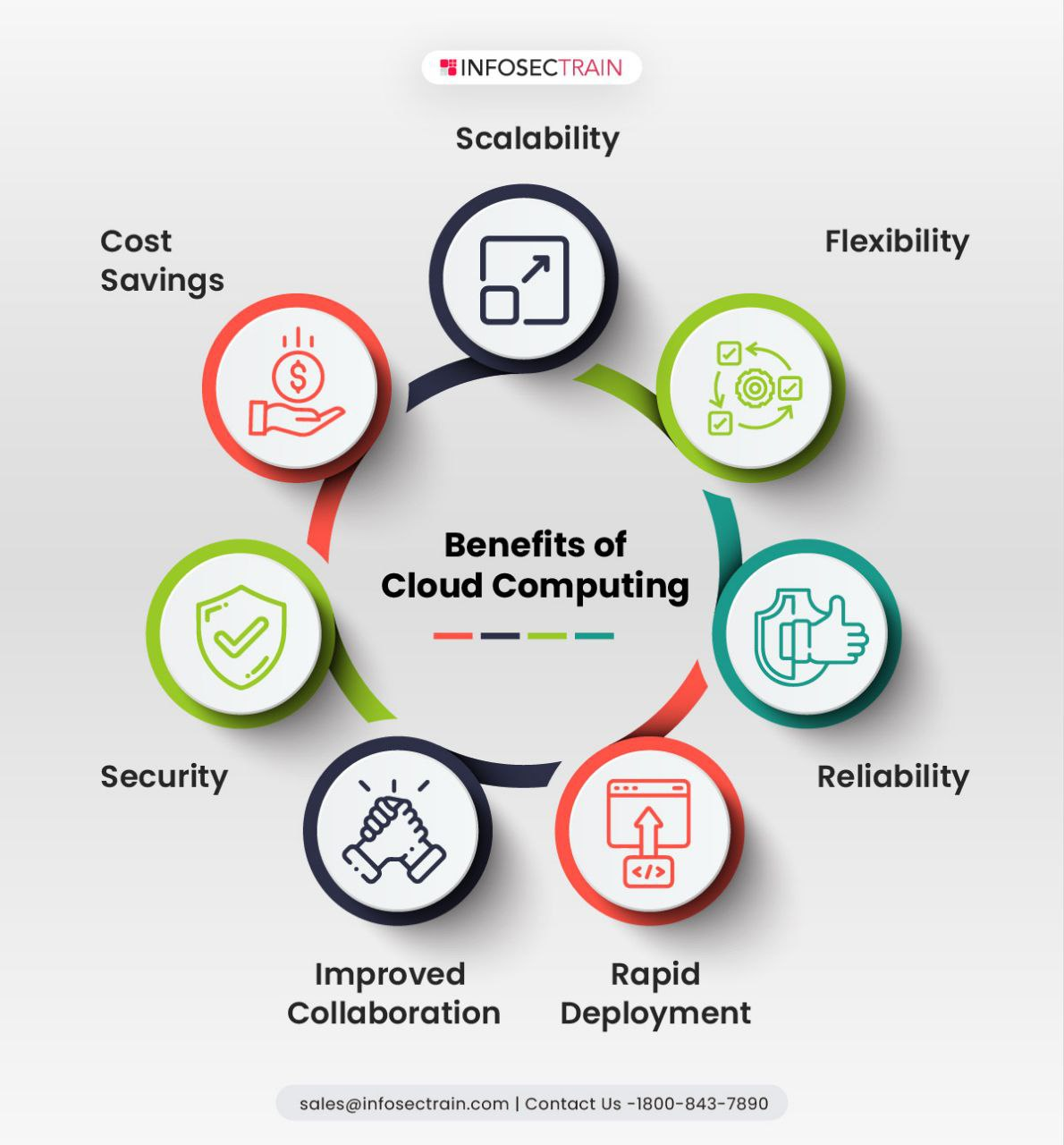
A well-designed cloud architecture provides several important advantages.
Scalability
Cloud resources can be increased or decreased quickly to meet changing business demands.
High Availability
Multiple servers and data centers ensure cloud services remain available even if one system experiences problems.
Cost Efficiency
Organizations pay only for the resources they use, reducing infrastructure and maintenance costs.
Improved Performance
Cloud providers use powerful hardware and optimized networks to deliver fast and reliable services.
Enhanced Security
Modern cloud platforms include advanced security technologies that help protect data and applications.
Easy Maintenance
Cloud providers manage hardware upgrades, software updates, and system maintenance, reducing the workload for businesses.
Types of Cloud Architecture
Cloud architecture can support different deployment models depending on business requirements.
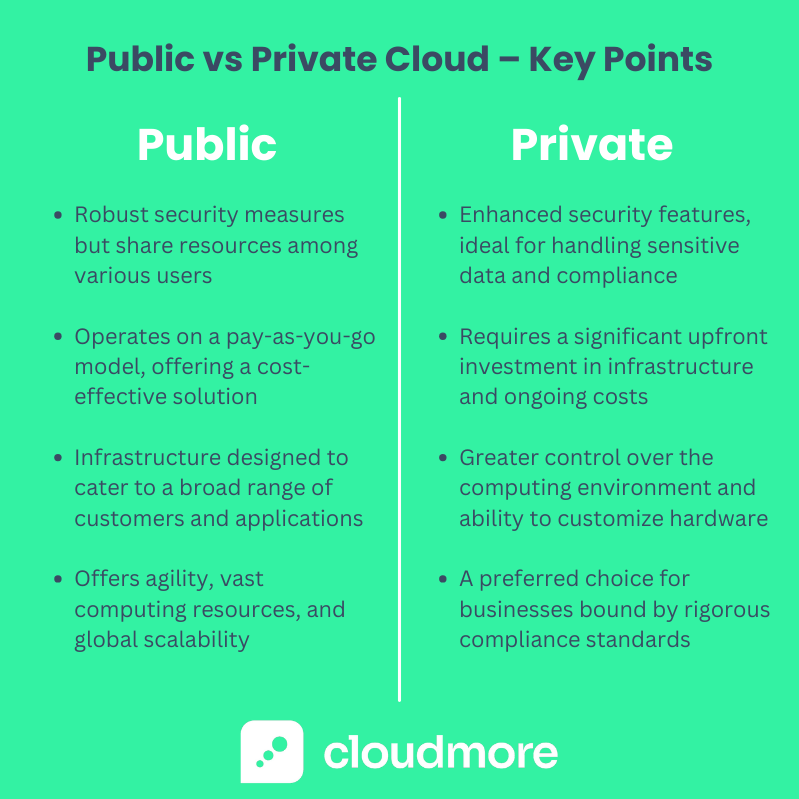
Public Cloud
Resources are shared among multiple customers and managed by a cloud service provider.
Private Cloud
Infrastructure is dedicated to a single organization, providing greater control and security.
Hybrid Cloud
Combines public and private cloud environments to balance flexibility and security.
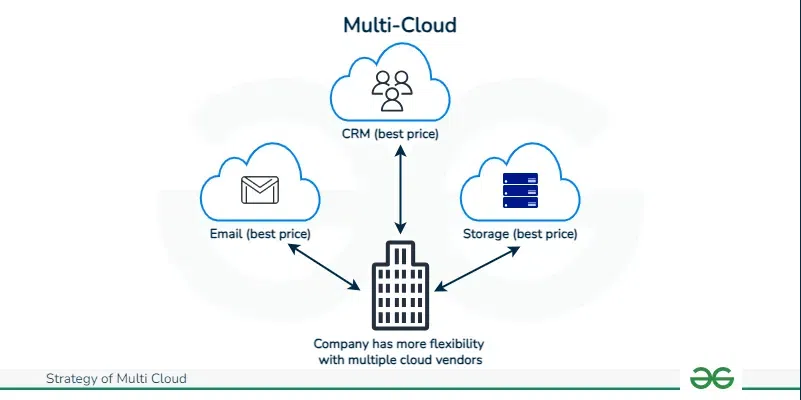
Multi-Cloud
Uses services from multiple cloud providers to improve reliability, performance, and flexibility.
Challenges of Cloud Computing Architecture
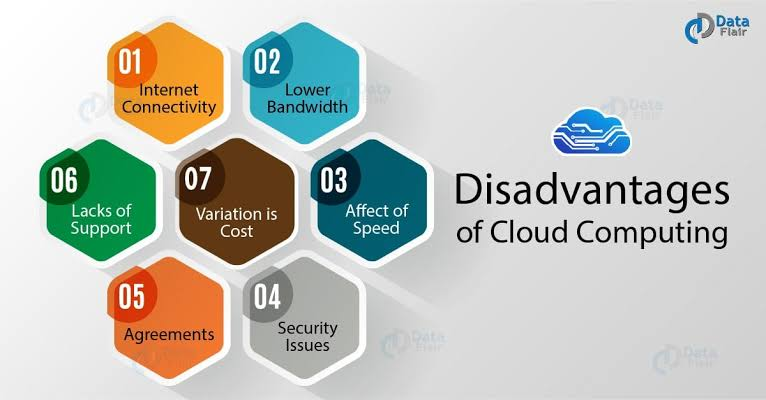
Although cloud architecture offers many benefits, organizations should also consider potential challenges.
- Dependence on internet connectivity
- Security and privacy concerns
- Managing cloud costs
- Integration with existing systems
- Compliance with industry regulations
- Complexity in large-scale cloud environments
Proper planning and cloud management help address these challenges.
Conclusion
Cloud computing architecture is the foundation that enables cloud services to operate efficiently and securely. By combining front-end interfaces, back-end infrastructure, servers, storage, networking, virtualization, and security systems, cloud providers deliver reliable computing resources to users around the world. As cloud technology continues to evolve, a strong cloud architecture will remain essential for supporting digital transformation, business growth, and innovative online services.