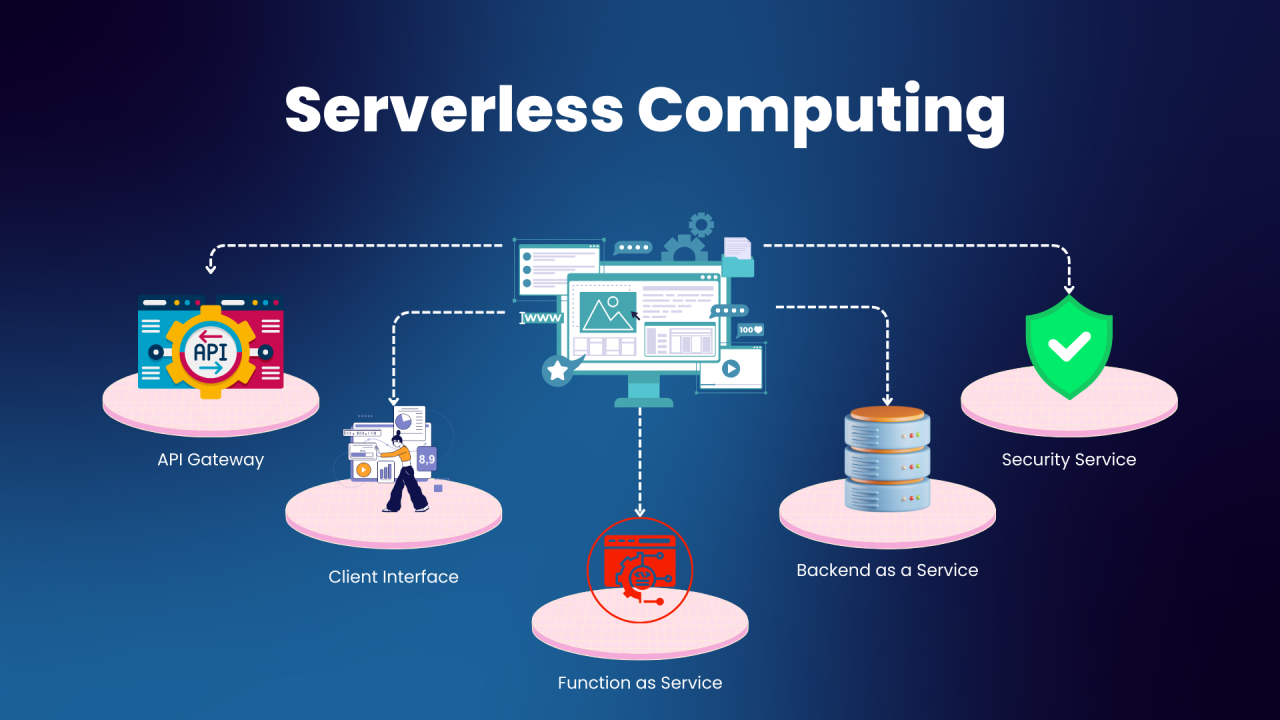
Serverless computing is one of the fastest-growing trends in cloud computing. Despite its name, serverless computing does not mean that servers no longer exist. Instead, it means that developers no longer have to manage or maintain servers themselves. The cloud service provider handles the infrastructure, allowing developers to focus entirely on building and running applications.
Serverless computing has become popular because it reduces operational costs, improves scalability, and speeds up application development. Businesses of all sizes use serverless architecture to build websites, mobile apps, APIs, and event-driven applications.
What Is Serverless Computing?
Serverless computing is a cloud computing model where the cloud provider automatically manages the servers, operating systems, networking, and infrastructure required to run applications.
Developers simply write and deploy their code, while the cloud platform takes care of provisioning resources, scaling, maintenance, updates, and security.
Unlike traditional hosting, users only pay for the computing resources consumed while their application is running, making serverless computing highly cost-effective.
How Does Serverless Computing Work?
Serverless computing works by executing code only when it is needed.
Here’s a simple overview of the process:
- A user performs an action, such as submitting a form or uploading a file.
- This action triggers a serverless function.
- The cloud provider automatically allocates the required computing resources.
- The function executes the requested task.
- After the task is completed, the resources are released automatically.
- Billing is based only on the execution time and resources used.
This event-driven model makes serverless computing highly efficient and scalable.
Key Features of Serverless Computing
No Server Management
Developers do not need to configure, monitor, or maintain physical or virtual servers. The cloud provider manages all infrastructure tasks.
Automatic Scaling
Applications automatically scale based on demand. Whether an application receives ten users or one million users, the cloud platform adjusts resources automatically.
Pay-as-You-Go Pricing
Businesses only pay for the actual execution time and computing resources used. There are no charges for idle servers.
Faster Development
Without worrying about infrastructure management, developers can focus entirely on writing code and delivering new features more quickly.
High Availability
Cloud providers distribute serverless applications across multiple servers and data centers, improving reliability and minimizing downtime.
Benefits of Serverless Computing
Lower Costs
Since there are no always-running servers, businesses avoid paying for unused computing resources. This makes serverless computing ideal for applications with varying traffic.
Improved Scalability
Serverless platforms automatically adjust resources based on incoming requests, ensuring consistent performance even during traffic spikes.
Reduced Operational Work
Cloud providers handle server maintenance, software updates, security patches, and infrastructure management, reducing the workload for IT teams.
Faster Deployment
Developers can deploy applications quickly without spending time configuring servers or infrastructure.
Better Resource Utilization
Resources are allocated only when needed, reducing waste and improving overall efficiency.
Common Uses of Serverless Computing
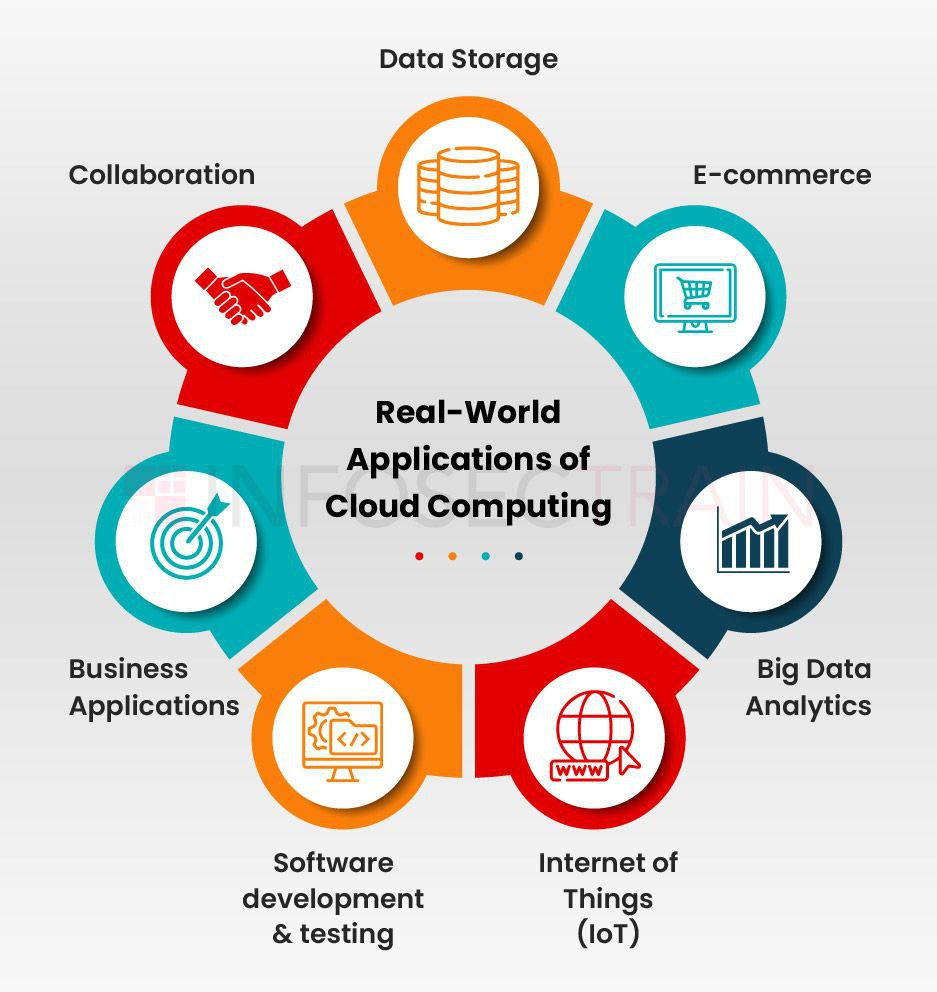
Serverless computing supports many modern applications and services, including:
- Web applications
- Mobile application backends
- REST APIs
- Chatbots
- File processing
- Image and video processing
- Internet of Things (IoT) applications
- Data processing pipelines
- Scheduled automation tasks
- Real-time notifications
These workloads benefit from the automatic scaling and event-driven nature of serverless architecture.
Serverless Computing vs Traditional Hosting
| Feature | Serverless Computing | Traditional Hosting |
|---|---|---|
| Server Management | Managed by cloud provider | Managed by user or IT team |
| Scaling | Automatic | Manual or limited |
| Pricing | Pay only for usage | Pay for allocated servers |
| Maintenance | Provider handles updates | User responsible for maintenance |
| Deployment | Fast | More complex |
| Idle Costs | None or very low | Servers continue running |
Challenges of Serverless Computing
Although serverless computing offers many advantages, it also has some limitations.
Cold Starts
Applications that have been inactive for a while may take slightly longer to respond when triggered for the first time.
Vendor Lock-In
Applications built for one cloud provider may require changes before moving to another platform.
Execution Limits
Most serverless platforms impose limits on execution time, memory usage, and processing resources.
Debugging Complexity
Troubleshooting distributed serverless applications can be more challenging than managing traditional servers.
Limited Control
Developers have less control over the underlying infrastructure since the cloud provider manages the environment.
Best Practices for Serverless Computing
To get the most from serverless architecture, businesses should:
- Design applications using small, independent functions.
- Monitor application performance regularly.
- Optimize code to reduce execution time.
- Implement strong security measures and access controls.
- Use logging and monitoring tools for troubleshooting.
- Keep functions lightweight and efficient.
These practices improve performance, reduce costs, and simplify maintenance.
The Future of Serverless Computing
Serverless computing is expected to play a major role in the future of cloud technology. As businesses continue adopting artificial intelligence, machine learning, IoT, and event-driven applications, demand for serverless platforms will continue to grow.
Advancements in cloud infrastructure, automation, and edge computing will further expand the capabilities of serverless computing, making it an increasingly attractive option for modern application development.
Conclusion
Serverless computing is a cloud computing model that allows developers to build and run applications without managing servers. By automatically handling infrastructure, scaling, and maintenance, it reduces costs, speeds up development, and improves efficiency. Although it has some limitations, its flexibility, automatic scaling, and pay-as-you-go pricing make serverless computing an excellent choice for many modern applications and businesses looking to innovate in the cloud.