Cloud computing has transformed the way individuals, businesses, and governments use technology. By delivering computing resources such as storage, software, databases, and processing power over the internet, cloud computing has made digital services more accessible, scalable, and cost-effective.
Today, cloud computing supports everything from online learning and video streaming to business operations and artificial intelligence. Its wide range of applications has made it one of the most important technologies of the modern digital era.
What Are Cloud Computing Applications?
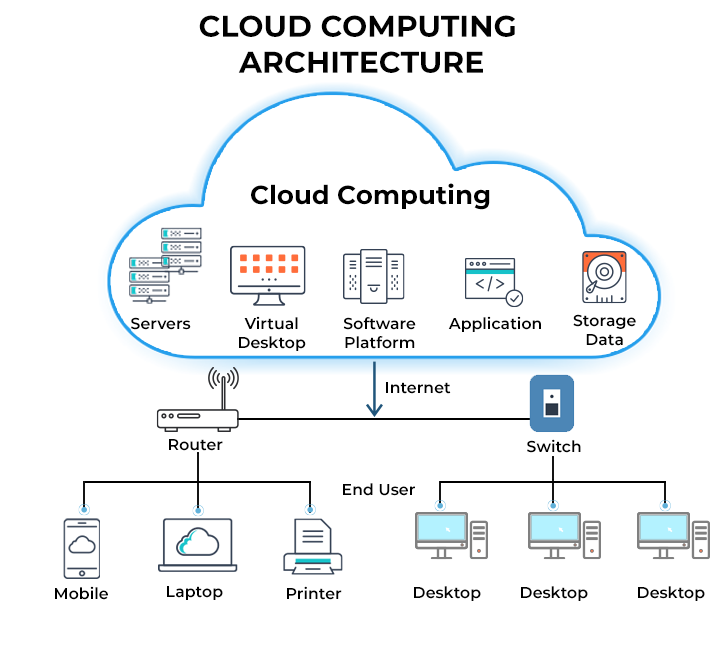
Cloud computing applications are software, services, and business solutions that use cloud infrastructure to deliver functionality over the internet. Instead of running on a local computer or server, these applications operate on remote cloud servers managed by cloud service providers.
Users can access cloud applications from almost any internet-connected device, making them ideal for remote work, collaboration, and digital transformation.
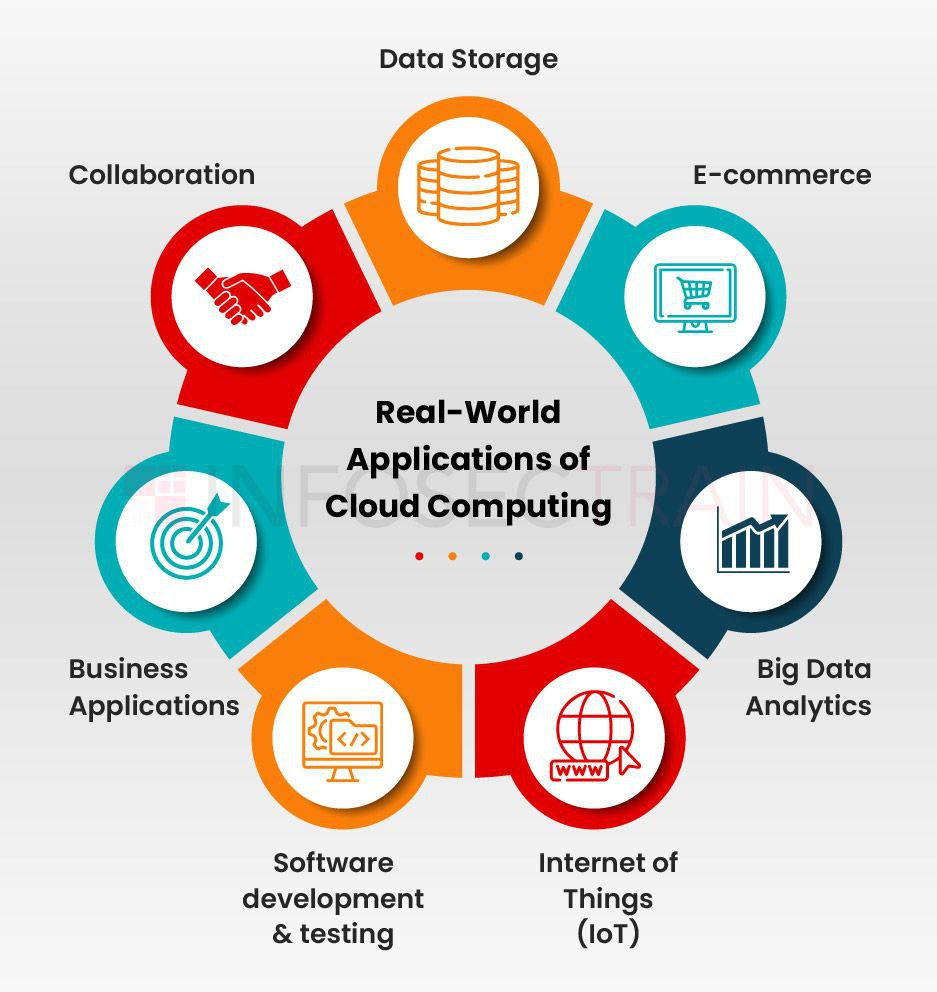
1. Cloud Storage and File Sharing
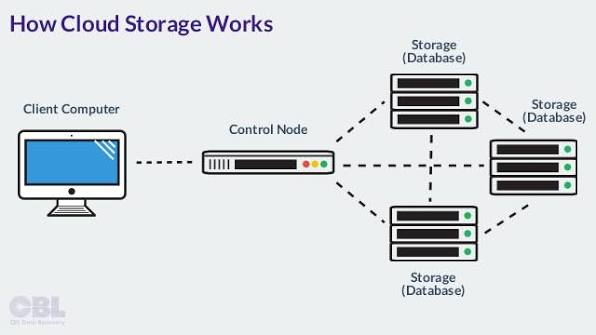
One of the most common applications of cloud computing is online storage. Individuals and businesses use cloud platforms to store documents, photos, videos, and other files securely.
Cloud storage allows users to:
- Access files from multiple devices
- Share documents easily
- Automatically back up important data
- Synchronize files across devices
This improves accessibility while reducing the risk of data loss.
2. Business Software
Many organizations use cloud-based business applications to manage their daily operations. Instead of installing software on individual computers, employees access applications through a web browser.
Common business applications include:
- Customer relationship management (CRM)
- Accounting software
- Human resource management
- Enterprise resource planning (ERP)
- Project management tools
Cloud-based business software reduces maintenance costs and improves collaboration.
3. Online Collaboration
Cloud computing enables teams to work together regardless of their location. Employees can edit documents, share files, schedule meetings, and communicate in real time.
This has become especially important for remote and hybrid work environments, allowing organizations to maintain productivity while supporting flexible work arrangements.
4. Website and Application Hosting
Many businesses host websites and web applications on cloud platforms instead of traditional physical servers.
Cloud hosting offers several advantages:
- High availability
- Automatic scaling
- Faster performance
- Improved security
- Reduced infrastructure costs
This makes cloud hosting suitable for websites of all sizes, from personal blogs to large e-commerce platforms.
5. Data Backup and Disaster Recovery
Protecting important information is essential for every organization. Cloud computing provides reliable backup and disaster recovery solutions by storing copies of critical data in secure remote locations.
If hardware fails or data is accidentally deleted, businesses can restore their information quickly and continue operating with minimal downtime.
6. Software Development and Testing
Software developers use cloud computing to build, test, and deploy applications without investing in expensive hardware.
Cloud development environments allow teams to:
- Create applications faster
- Test software in different environments
- Collaborate efficiently
- Scale development resources as needed
This speeds up the software development lifecycle.
7. Artificial Intelligence and Machine Learning
Cloud platforms provide the computing power required for artificial intelligence (AI) and machine learning applications.
Businesses use cloud-based AI to:
- Analyze large datasets
- Automate repetitive tasks
- Improve customer service
- Detect fraud
- Generate business insights
Cloud computing makes advanced AI technologies more accessible to organizations of all sizes.
8. Healthcare Services
Healthcare organizations use cloud computing to improve patient care and manage medical information securely.
Applications include:
- Electronic health records
- Telemedicine platforms
- Medical imaging storage
- Appointment scheduling
- Healthcare analytics
Cloud computing helps healthcare providers deliver faster and more efficient services while improving collaboration among medical professionals.
9. Education and Online Learning
Educational institutions use cloud computing to deliver online courses, manage student records, and support virtual classrooms.
Cloud-based education platforms allow students to:
- Attend online classes
- Access learning materials
- Submit assignments
- Collaborate with classmates
- Learn from anywhere
This has expanded access to education worldwide.
10. E-Commerce
Online retailers rely on cloud computing to operate their websites, process payments, manage inventory, and deliver personalized shopping experiences.
Cloud technology enables e-commerce businesses to:
- Handle high traffic during sales events
- Improve website performance
- Store customer information securely
- Scale resources based on demand
These capabilities help businesses provide reliable online shopping experiences.
11. Financial Services
Banks and financial institutions use cloud computing for secure data storage, online banking, fraud detection, and financial analytics.
Cloud-based systems improve operational efficiency while supporting regulatory compliance and enhancing customer services.
12. Internet of Things (IoT)
Millions of connected devices generate massive amounts of data every day. Cloud computing collects, stores, and analyzes this data to support smart homes, smart cities, industrial automation, and connected vehicles.
Cloud platforms help organizations manage IoT devices efficiently while processing large volumes of information.
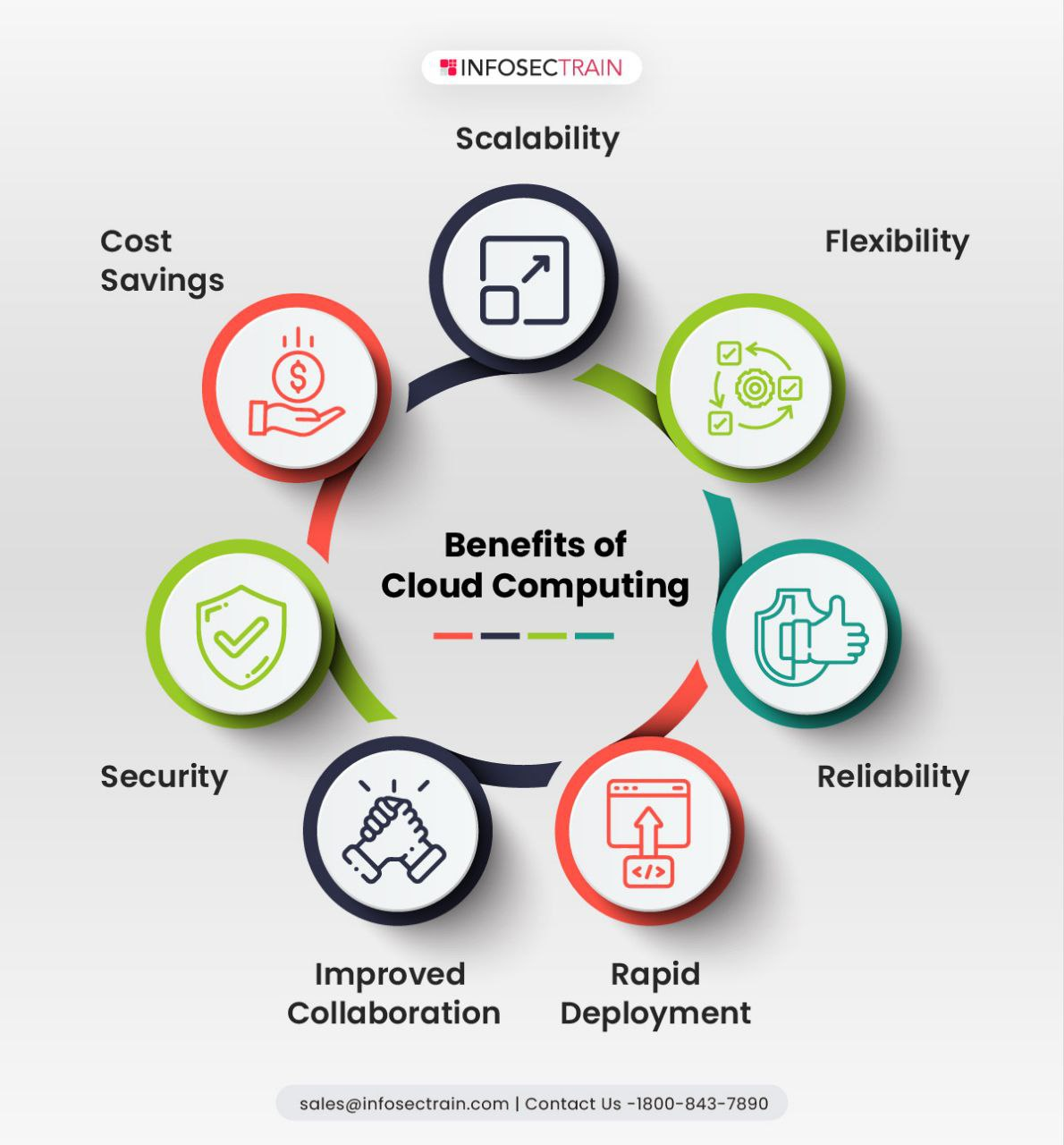
Benefits of Cloud Computing Applications
Cloud computing applications provide numerous advantages for businesses and individuals, including:
- Lower infrastructure costs
- Improved scalability
- Remote accessibility
- Faster deployment
- Automatic software updates
- Enhanced collaboration
- Reliable data backup
- Strong security features
- Better business continuity
- Increased operational efficiency
These benefits continue to drive cloud adoption across industries.
The Future of Cloud Computing Applications
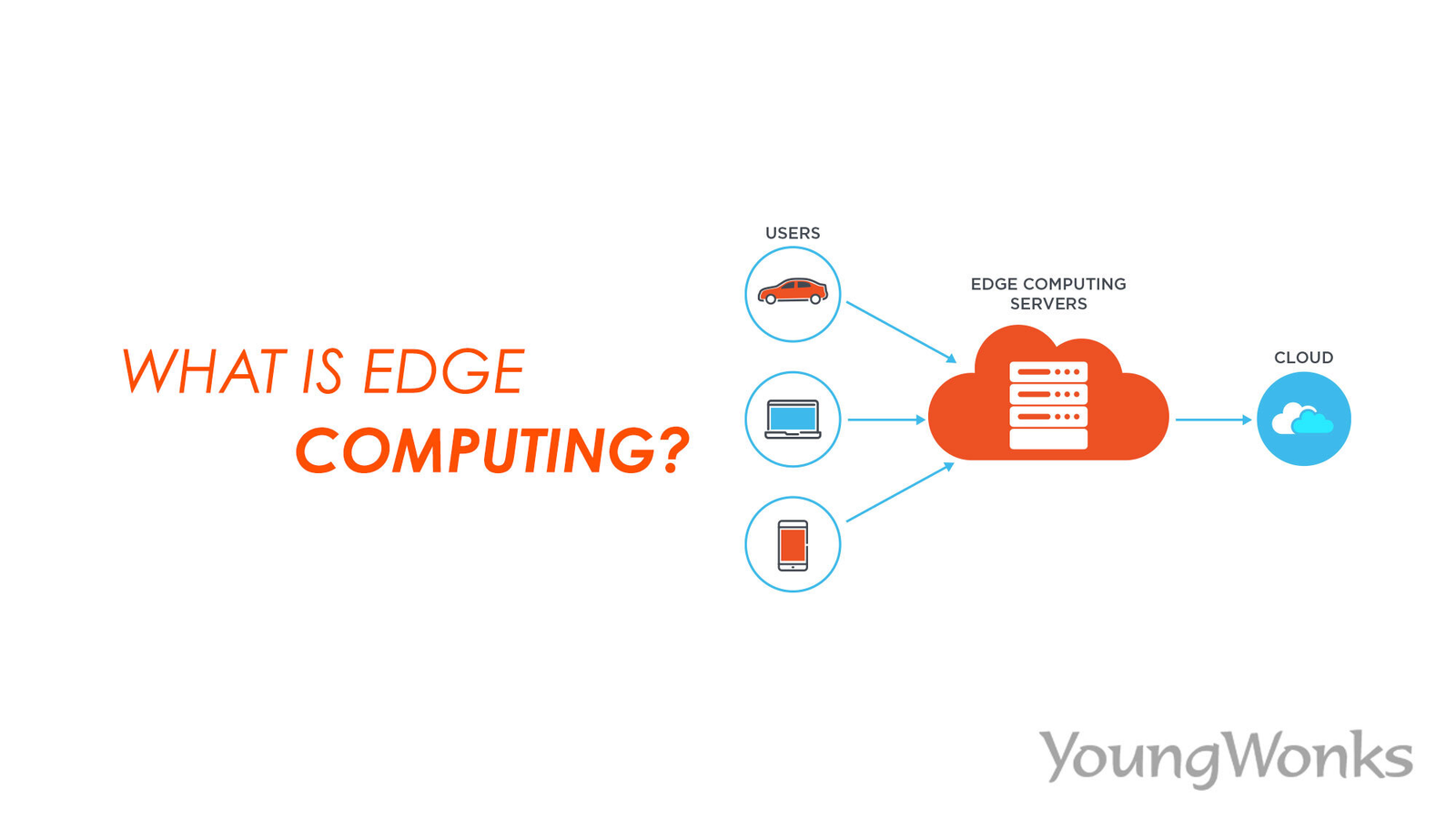
As technologies such as artificial intelligence, edge computing, 5G, and the Internet of Things continue to evolve, cloud computing applications will become even more powerful. Businesses are expected to adopt cloud-native solutions, advanced automation, and intelligent analytics to improve productivity and deliver better customer experiences.
Cloud computing will remain a key technology supporting digital transformation across nearly every industry.
Conclusion
Cloud computing applications have changed the way people work, communicate, learn, and do business. From cloud storage and online collaboration to healthcare, e-commerce, software development, and artificial intelligence, cloud technology powers many of the services we use every day. Its flexibility, scalability, and cost-effectiveness make it an essential solution for organizations looking to innovate and grow in an increasingly digital world.