Cloud computing has become an essential part of everyday life, even if many people don’t realize they’re using it. From storing photos online to streaming movies and collaborating on documents, cloud computing powers many of the digital services we rely on every day.
Instead of running software or storing data on a personal computer, cloud computing uses remote servers connected through the internet. This makes services more accessible, scalable, and cost-effective for both individuals and businesses.
In this article, we’ll explore some of the most common examples of cloud computing and how they improve our daily lives.
What Is Cloud Computing?
Cloud computing is the delivery of computing services such as storage, servers, databases, software, networking, and processing power over the internet. Users can access these services from almost anywhere without owning or maintaining physical infrastructure.
Cloud providers manage the hardware, security, updates, and maintenance, allowing users to focus on their work rather than managing technology.
1. Cloud Storage
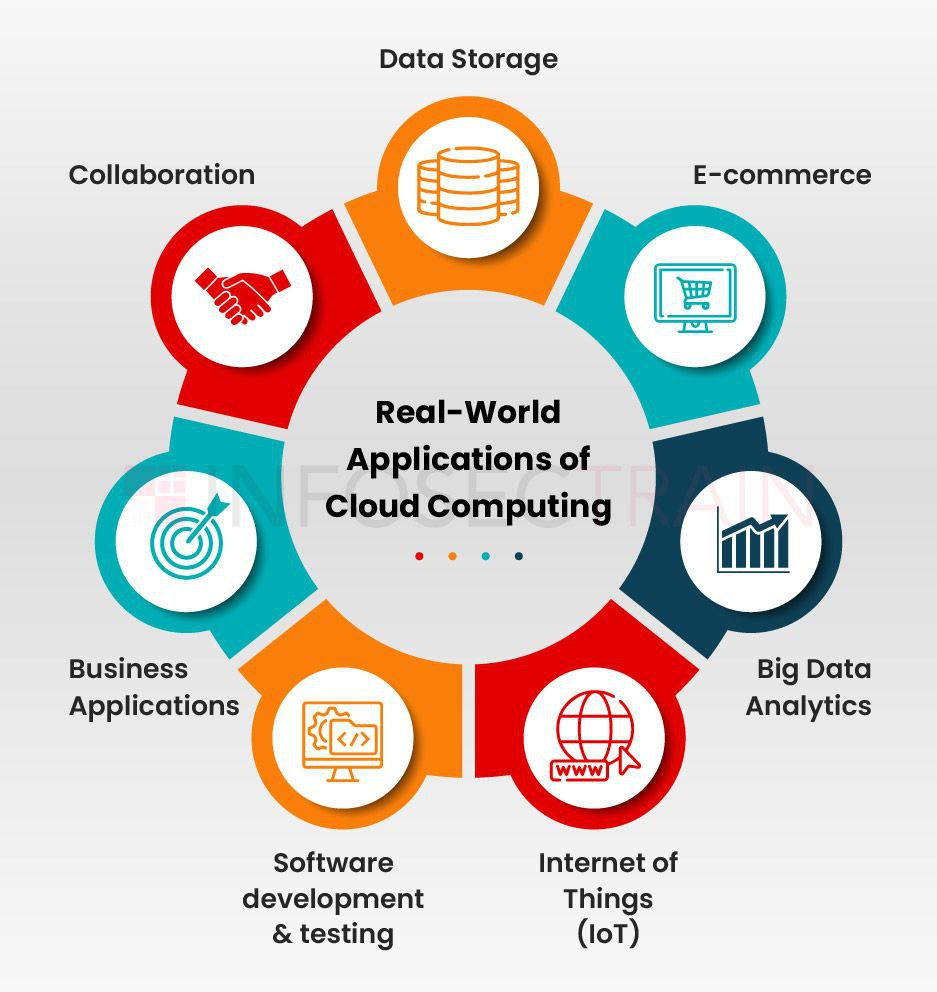
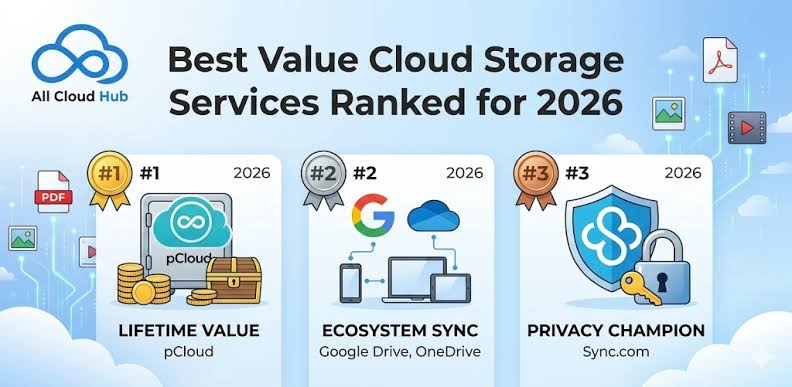
Cloud storage is one of the most popular examples of cloud computing. Instead of saving files only on a computer or external hard drive, users can store documents, photos, videos, and other data securely in the cloud.
Cloud storage offers benefits such as:
- Access files from any device
- Automatic backups
- Easy file sharing
- Data synchronization across multiple devices
Individuals and businesses use cloud storage to keep important files safe and accessible.
2. Email Services
Modern email platforms use cloud computing to store emails, contacts, calendars, and attachments online.
Instead of installing email software on a single computer, users can access their inbox from smartphones, tablets, laptops, or web browsers.
Cloud-based email services also provide spam protection, automatic updates, and reliable data backups.
3. Video Streaming Platforms
Streaming services rely heavily on cloud computing to deliver movies, TV shows, and live content to millions of users worldwide.
Cloud infrastructure enables:
- Fast content delivery
- High-definition streaming
- Automatic scaling during peak demand
- Reliable performance
Without cloud computing, large-scale streaming services would be difficult to operate efficiently.
4. Online Office Applications
Many productivity tools now run entirely in the cloud. Users can create documents, spreadsheets, presentations, and reports without installing software on their devices.
Cloud-based office applications offer:
- Real-time collaboration
- Automatic saving
- Version history
- Access from any location
These features make teamwork much easier, especially for remote and hybrid workplaces.
5. Website Hosting
Many websites are hosted on cloud servers instead of traditional physical servers.
Cloud hosting provides several advantages:
- Better performance
- High availability
- Automatic resource scaling
- Improved security
- Faster website loading
Businesses often choose cloud hosting because it can handle sudden increases in website traffic.
6. Online Backup Services
Cloud backup services automatically copy important files and system data to secure remote servers.
If a computer is lost, damaged, or infected with malware, users can restore their data quickly without permanent loss.
This makes cloud backup an essential part of disaster recovery planning.
7. Social Media Platforms
Social media platforms depend on cloud computing to store billions of photos, videos, messages, and user profiles.
Cloud infrastructure allows these platforms to:
- Process millions of daily uploads
- Deliver content quickly
- Support users around the world
- Scale automatically during periods of high activity
Without cloud computing, modern social networking would not be possible.
8. Online Gaming
Cloud technology has changed the gaming industry by allowing players to save game progress online, play multiplayer games, and even stream games without downloading large files.
Cloud gaming offers benefits such as:
- Reduced hardware requirements
- Instant game access
- Cross-device compatibility
- Automatic updates
As internet speeds continue to improve, cloud gaming is becoming increasingly popular.
9. Business Software (SaaS)
Many companies use Software as a Service (SaaS), where applications are delivered through a web browser instead of being installed locally.
Examples of business software include:
- Customer relationship management (CRM)
- Project management tools
- Accounting software
- Human resources systems
- Collaboration platforms
Businesses benefit from automatic updates, flexible pricing, and remote accessibility.
10. Artificial Intelligence and Data Analytics
Cloud computing provides the computing power needed for artificial intelligence (AI), machine learning, and big data analysis.
Organizations use cloud-based AI services to:
- Analyze customer behavior
- Automate business processes
- Detect fraud
- Improve healthcare
- Support intelligent decision-making
Cloud infrastructure makes advanced technologies accessible without requiring expensive hardware.
Benefits of Cloud Computing in Everyday Life
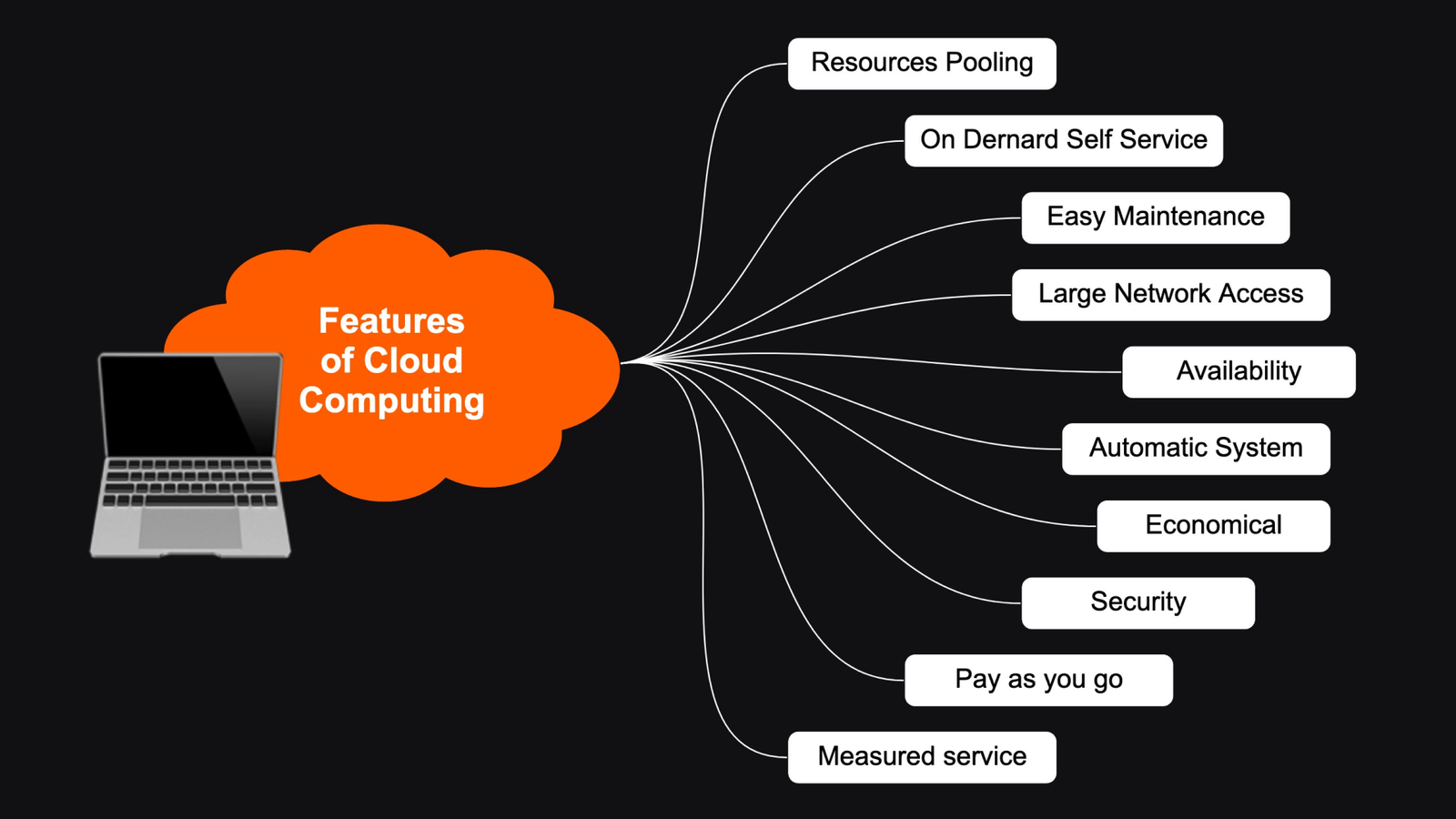
Cloud computing offers many practical benefits for users and organizations, including:
- Access from anywhere with an internet connection
- Lower hardware costs
- Automatic software updates
- Secure data storage
- Easy collaboration
- Flexible resource scaling
- Reliable backup and recovery
- Improved productivity
These advantages have made cloud computing an essential technology for both personal and professional use.
Conclusion
Cloud computing powers many of the digital services people use every day, from cloud storage and email to video streaming, online gaming, website hosting, and business software. By delivering computing resources over the internet, it provides greater flexibility, reliability, and cost savings than traditional IT infrastructure. As technology continues to evolve, cloud computing will remain at the heart of innovation, enabling smarter applications and better digital experiences for individuals and businesses alike.