As the number of internet-connected devices continues to grow, businesses need faster and more efficient ways to process data. Traditional cloud computing sends data to centralized data centers for processing, but this can sometimes cause delays. To solve this problem, edge computing brings data processing closer to where the data is generated.
Edge computing is becoming increasingly important for technologies such as the Internet of Things (IoT), smart cities, autonomous vehicles, industrial automation, and artificial intelligence. By reducing latency and improving response times, it enables real-time decision-making and better user experiences.
What Is Edge Computing?
Edge computing is a computing model that processes data near the source where it is created instead of sending all of it to a centralized cloud or data center.
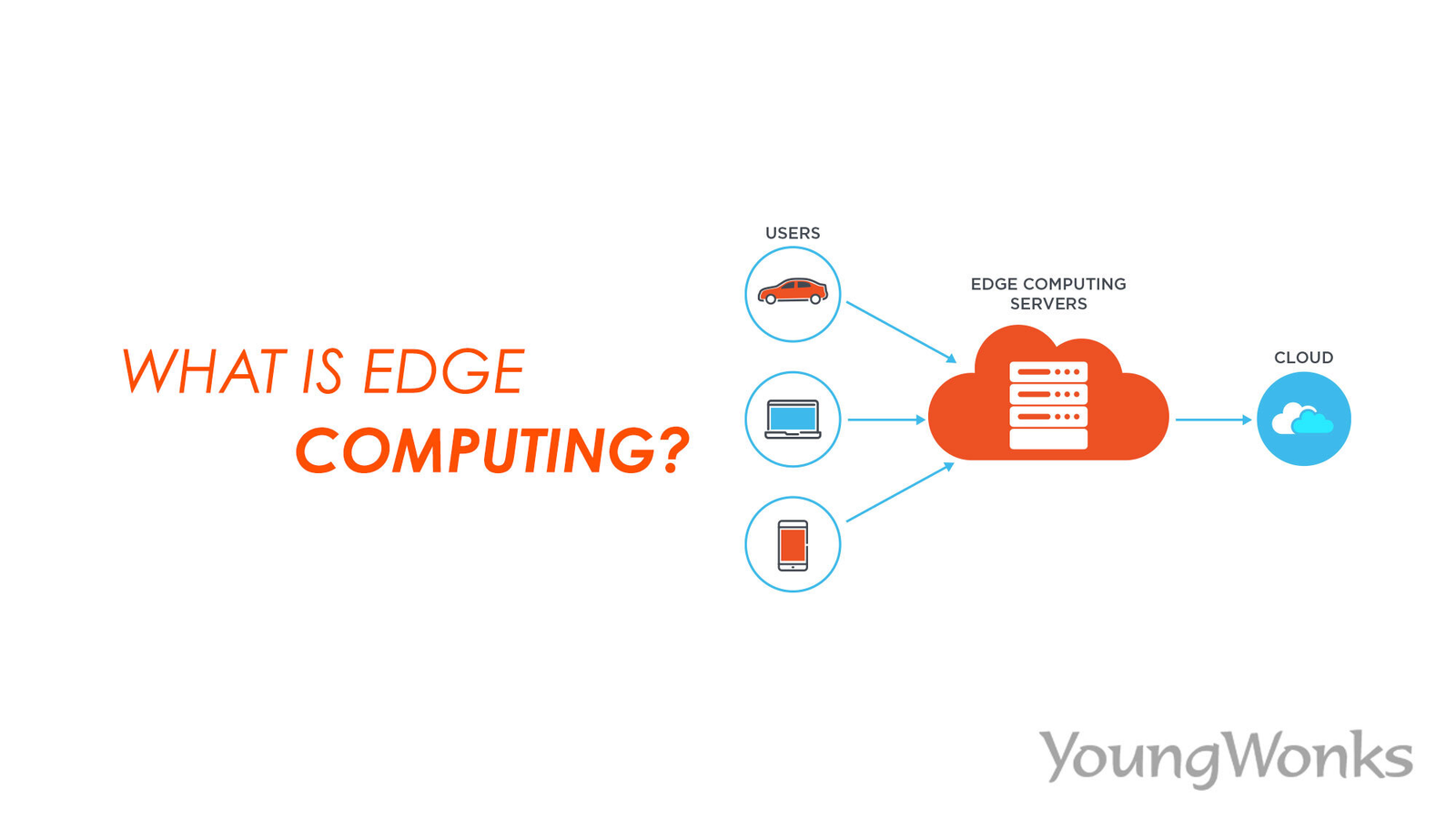
The term “edge” refers to the edge of a network, where devices such as sensors, smartphones, cameras, or machines generate data. Rather than transmitting every piece of information to distant servers, edge devices or nearby edge servers analyze and process the data locally.
Only the necessary information is sent to the cloud for storage, backup, or further analysis.
How Does Edge Computing Work?
Edge computing follows a simple process:
- A connected device, such as a security camera or IoT sensor, collects data.
- The data is sent to a nearby edge server or gateway.
- The edge device processes the information locally.
- Immediate decisions are made without waiting for a response from a distant cloud server.
- Important data is then transferred to the cloud for long-term storage or advanced analytics.
This local processing significantly reduces the time needed to respond to events.
Why Is Edge Computing Important?
Modern applications often require instant responses. Waiting for data to travel to a distant cloud server and back can introduce delays, especially for time-sensitive operations.
Edge computing solves this problem by minimizing the distance that data must travel. This results in faster processing, lower latency, and improved reliability, making it ideal for applications where every second matters.
Benefits of Edge Computing
Faster Response Times
Because data is processed close to the source, edge computing reduces delays and provides near real-time responses.
Lower Latency
Latency is the time it takes for data to travel between devices and servers. Edge computing minimizes latency, making applications more responsive.
Reduced Bandwidth Usage
Instead of sending all data to the cloud, only important information is transmitted. This reduces internet bandwidth consumption and lowers network costs.
Improved Reliability
Edge devices can continue processing data even if internet connectivity is temporarily unavailable, ensuring continuous operation for critical applications.
Enhanced Security
Keeping sensitive data closer to its source reduces the amount of information transmitted across the internet. This can improve privacy and reduce exposure to certain cybersecurity risks when combined with proper security measures.
Better Scalability
Organizations can deploy additional edge devices as their operations grow without overloading centralized cloud infrastructure.
Common Applications of Edge Computing
Edge computing is used across many industries to improve performance and efficiency.
Smart Cities
Traffic management systems, smart lighting, and public safety cameras use edge computing to process data quickly and improve urban services.
Healthcare
Hospitals use edge devices to monitor patients, process medical data in real time, and support emergency care.
Manufacturing
Factories rely on edge computing to monitor machinery, detect equipment failures, and automate production lines.
Autonomous Vehicles
Self-driving cars process data from cameras, sensors, and radar systems locally to make split-second driving decisions.
Retail
Retail stores use edge computing for inventory tracking, self-checkout systems, and personalized customer experiences.
Internet of Things (IoT)
Millions of connected devices generate enormous amounts of data every day. Edge computing allows these devices to analyze information locally, improving efficiency and reducing cloud traffic.
Edge Computing vs Cloud Computing
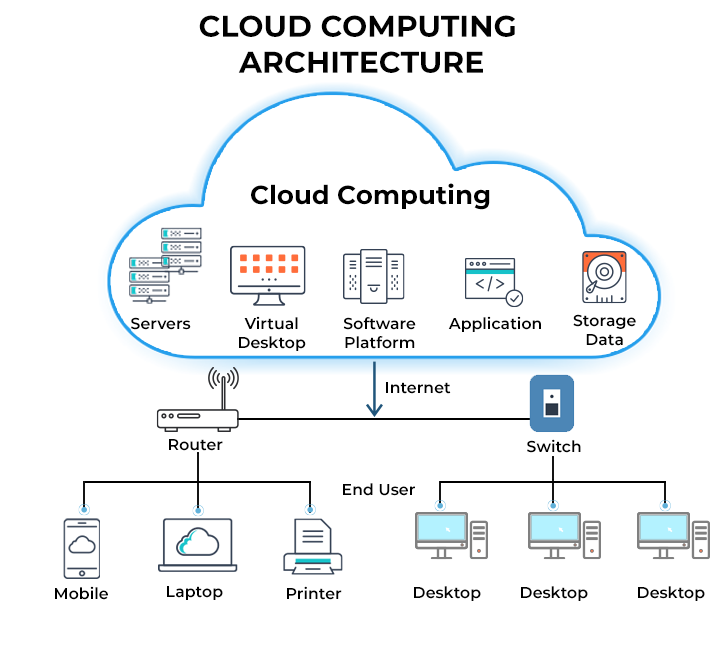
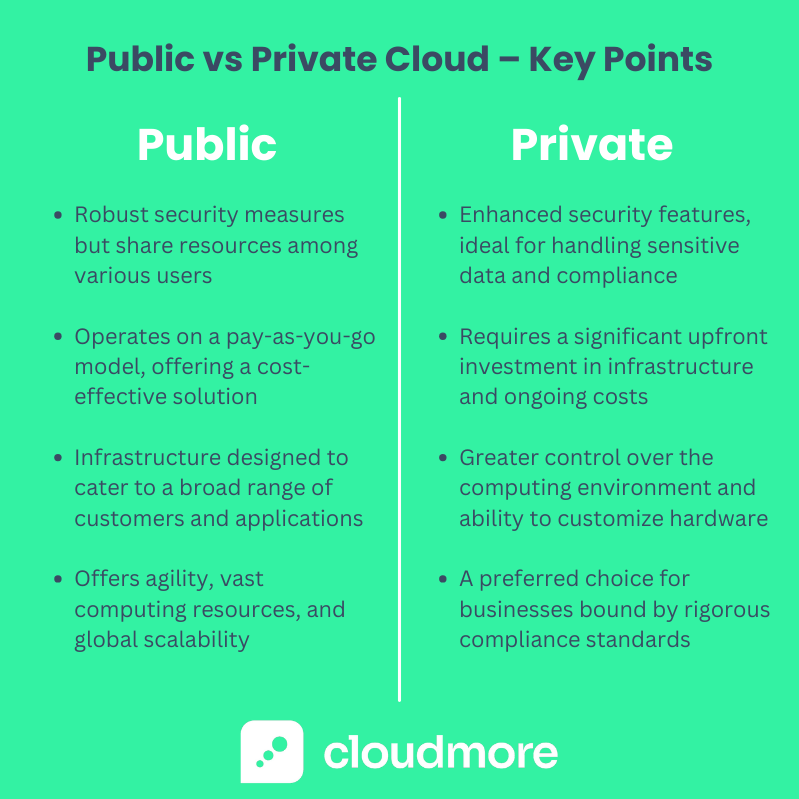
Although edge computing and cloud computing work together, they serve different purposes.
| Feature | Edge Computing | Cloud Computing |
|---|---|---|
| Data Processing | Near the data source | Centralized data centers |
| Response Time | Very fast | Slightly slower |
| Latency | Low | Higher |
| Internet Dependency | Can operate with limited connectivity | Requires internet access |
| Best For | Real-time applications | Large-scale storage and analytics |
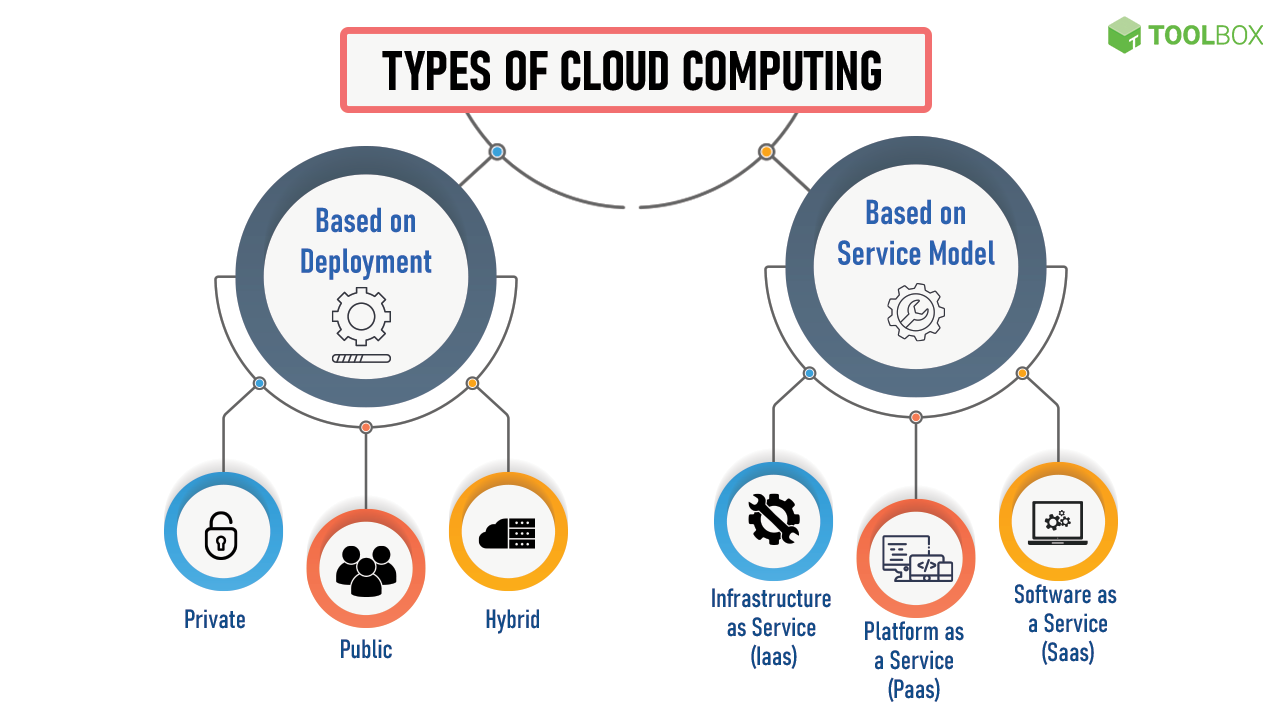
Many organizations use both technologies together, allowing edge devices to handle immediate processing while the cloud manages storage, backups, and advanced data analysis.
Challenges of Edge Computing
Despite its benefits, edge computing also has some challenges.
- Managing many edge devices can be complex.
- Initial deployment costs may be high.
- Security must be maintained across multiple locations.
- Regular software updates and maintenance are required.
- Data synchronization between edge devices and the cloud can be challenging.
Proper planning and management help organizations overcome these challenges.
The Future of Edge Computing
The demand for edge computing is expected to grow rapidly as technologies such as 5G, artificial intelligence, and the Internet of Things continue to expand. Businesses are increasingly adopting edge solutions to improve performance, reduce latency, and support real-time applications.
As more connected devices come online, edge computing will play a critical role in powering smart homes, smart factories, autonomous transportation, and advanced digital services.
Conclusion
Edge computing is a modern computing approach that processes data closer to where it is generated, reducing latency and improving performance. By enabling faster decision-making, lowering bandwidth usage, and supporting real-time applications, it complements traditional cloud computing rather than replacing it. As digital technologies continue to evolve, edge computing will remain a key component of future innovation, helping businesses deliver faster, smarter, and more reliable services.